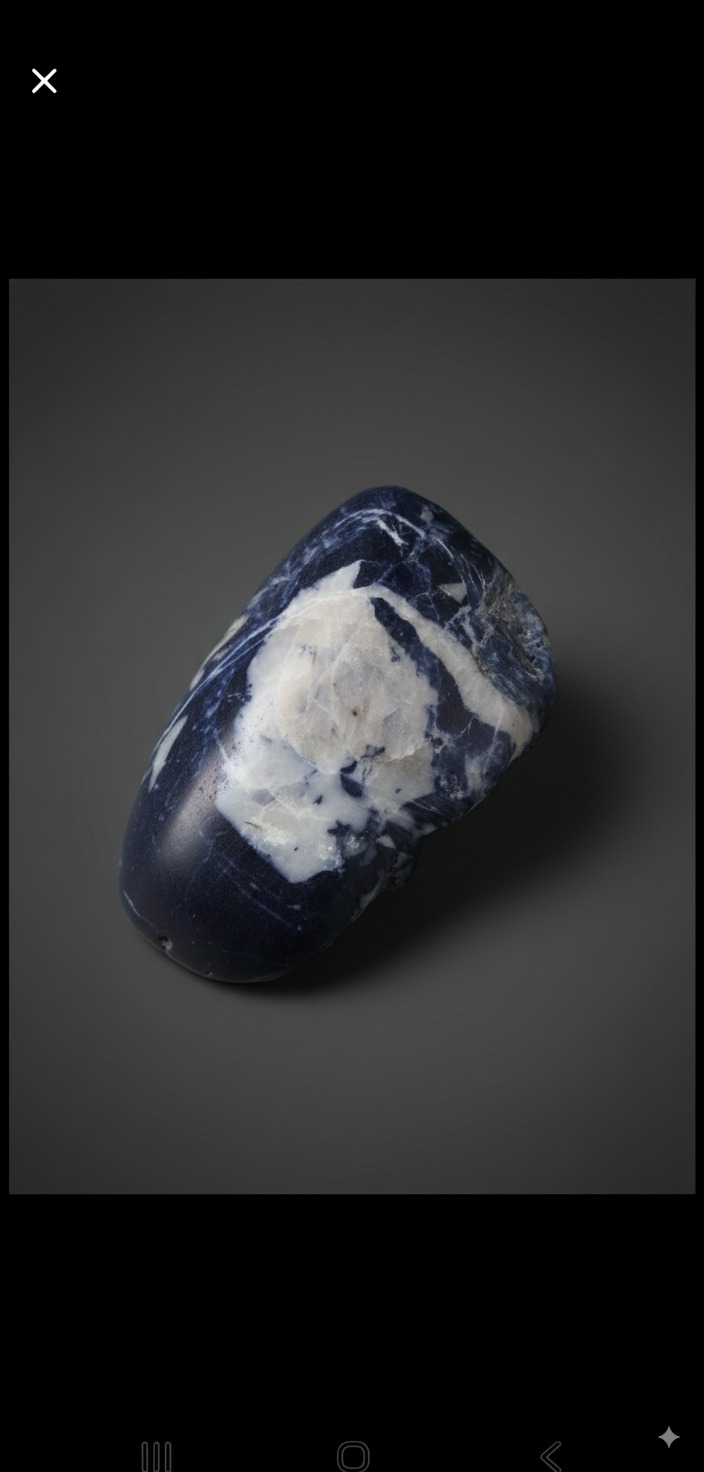
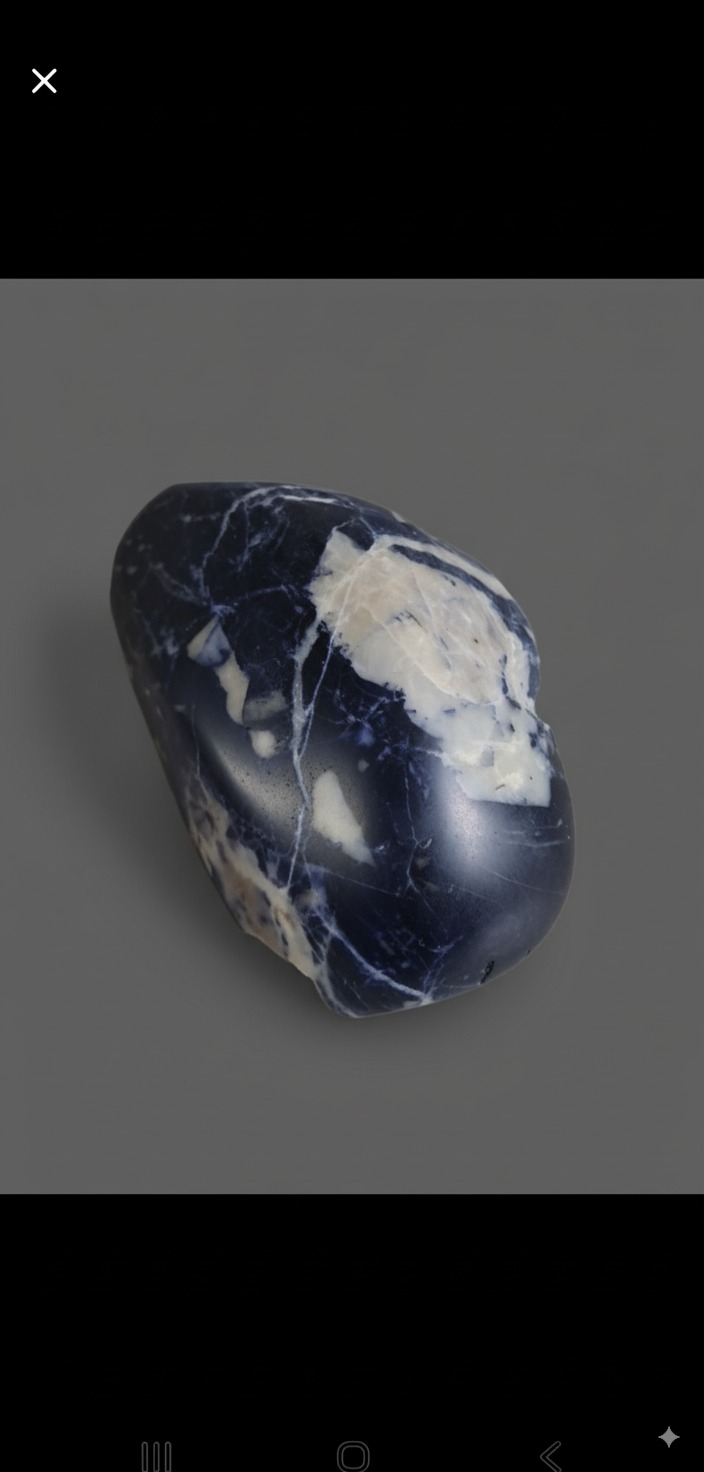
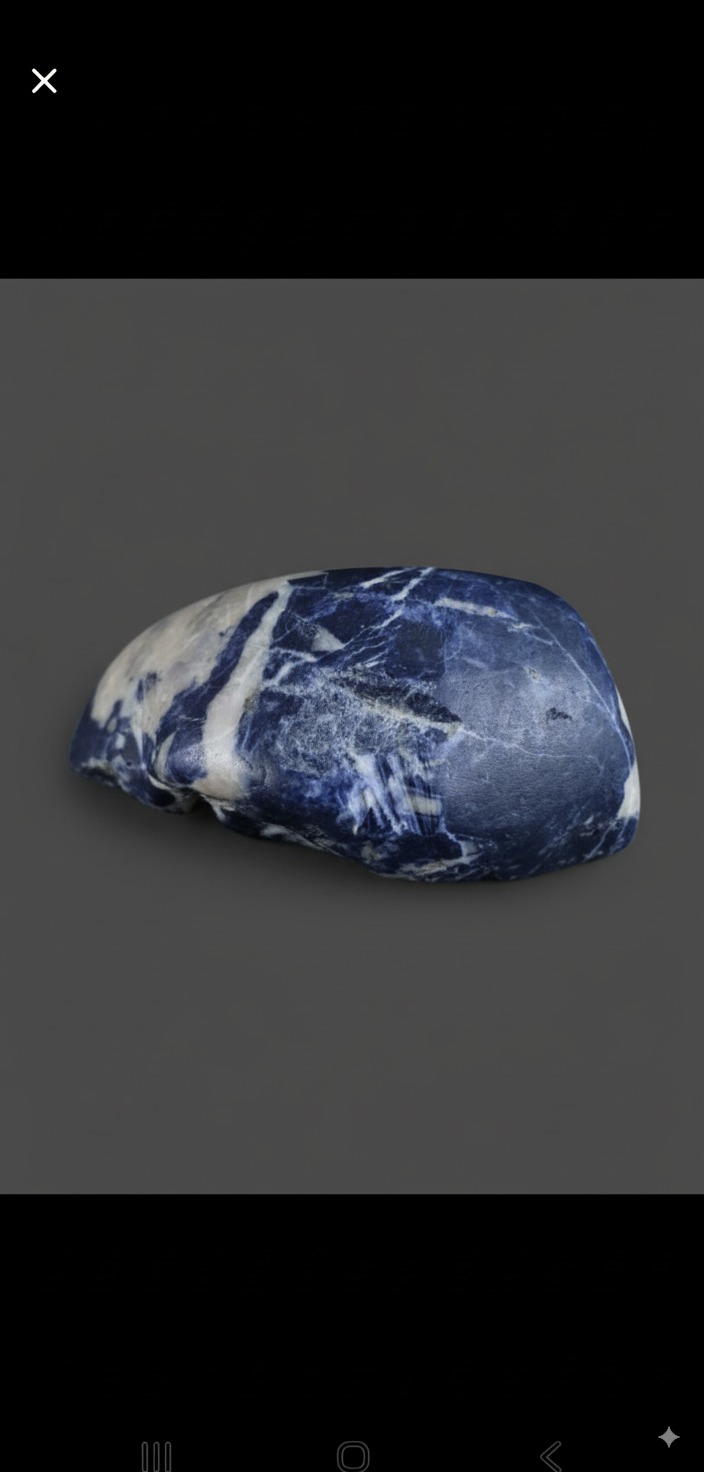
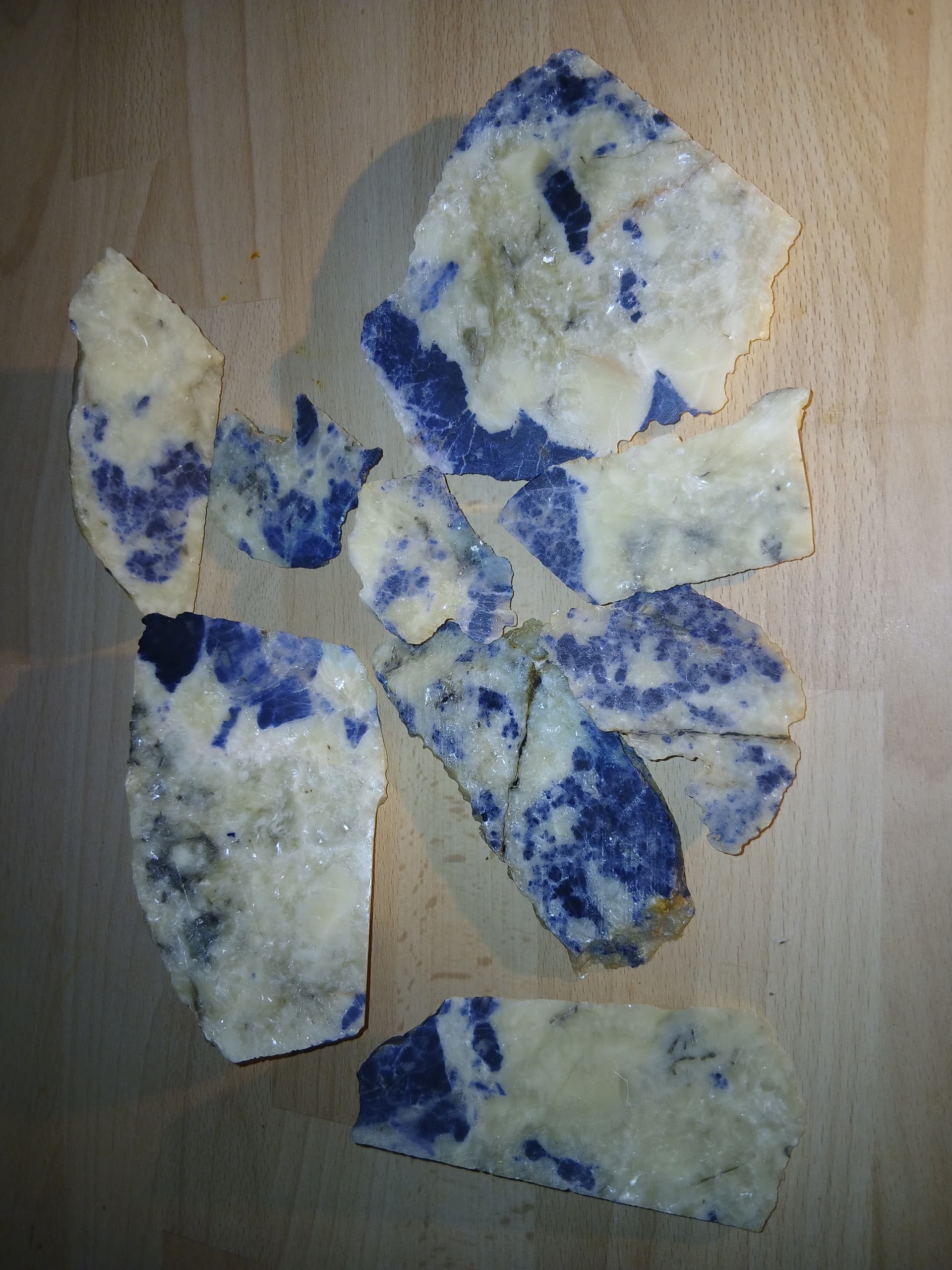
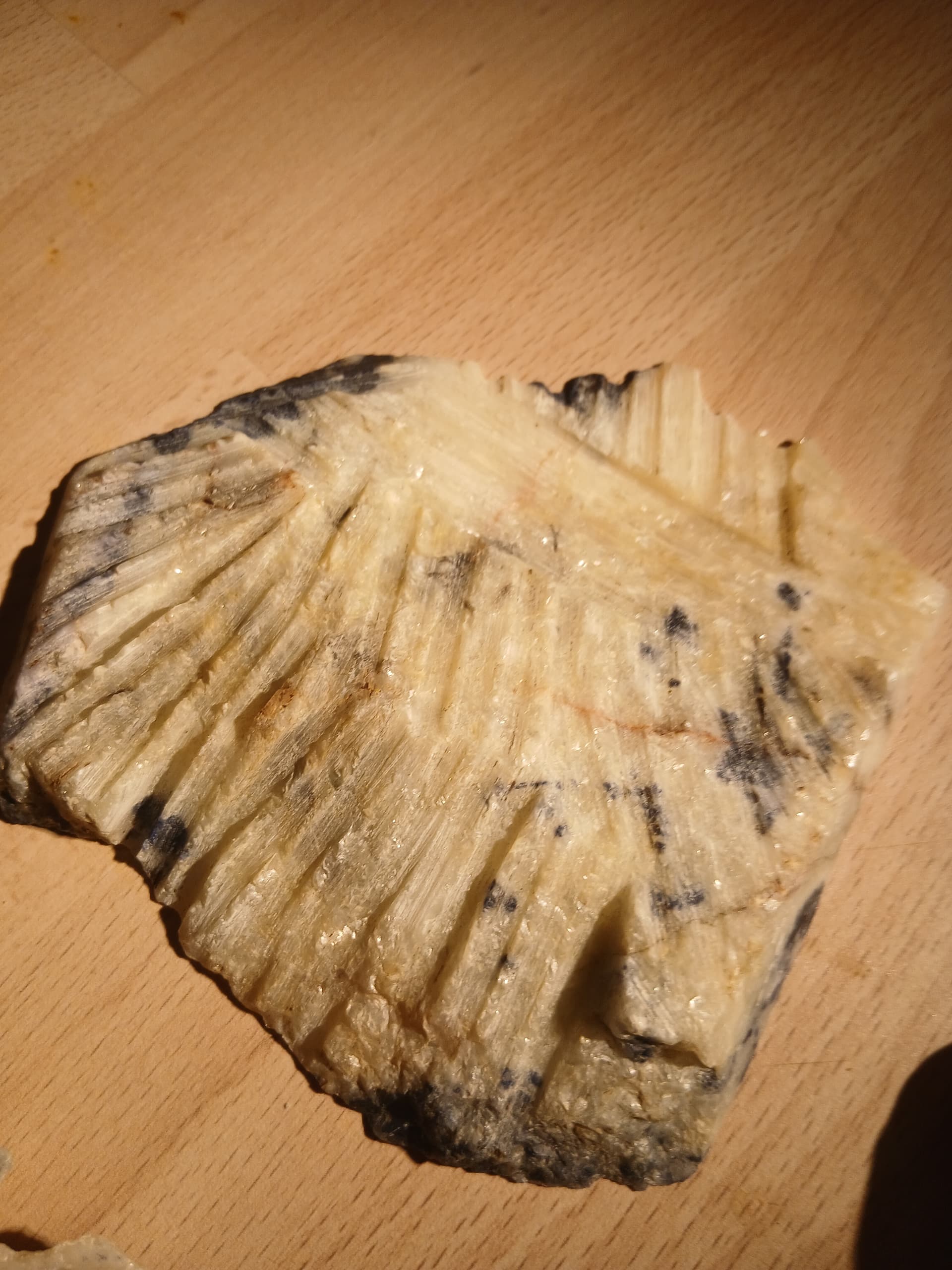
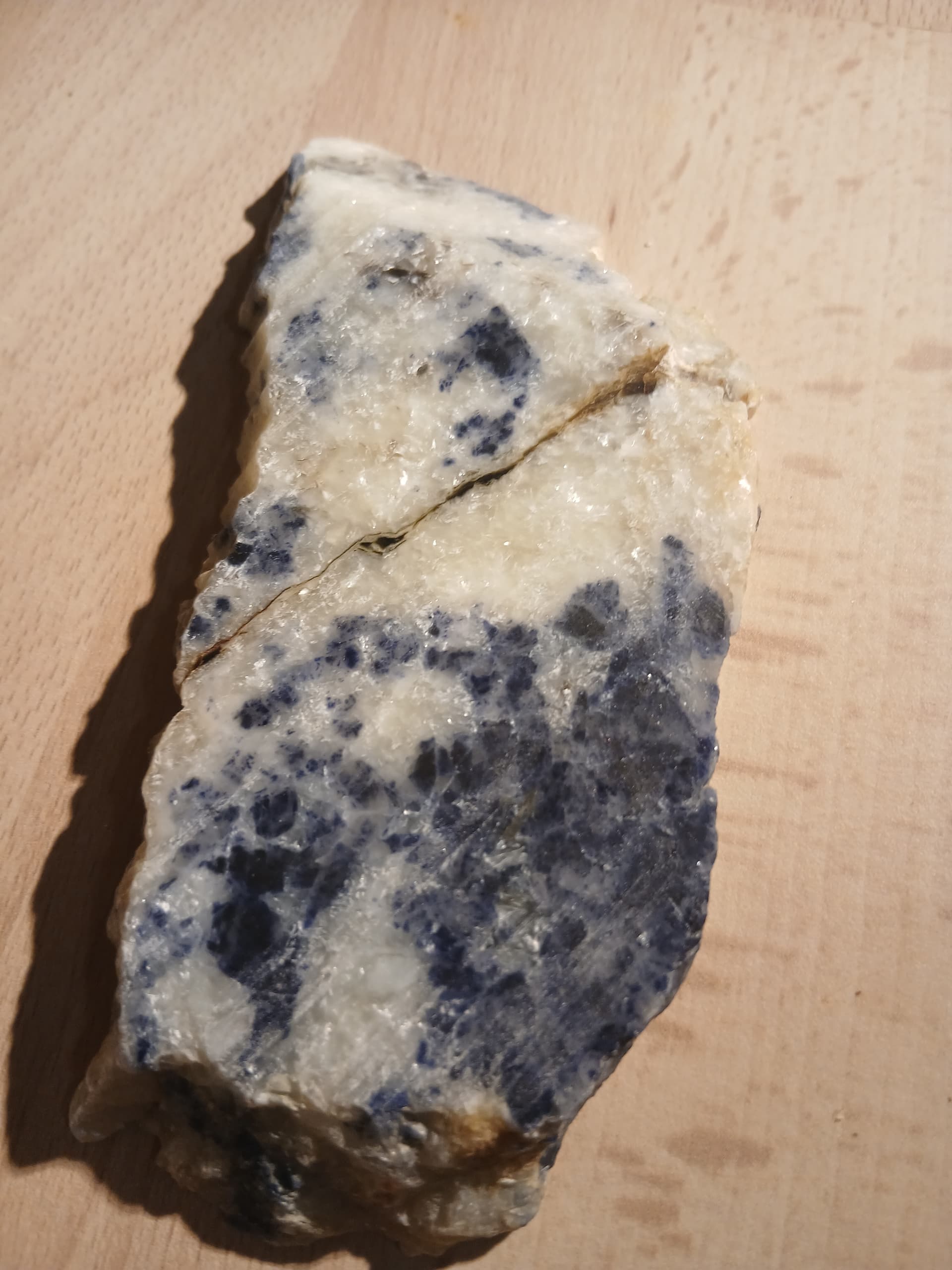
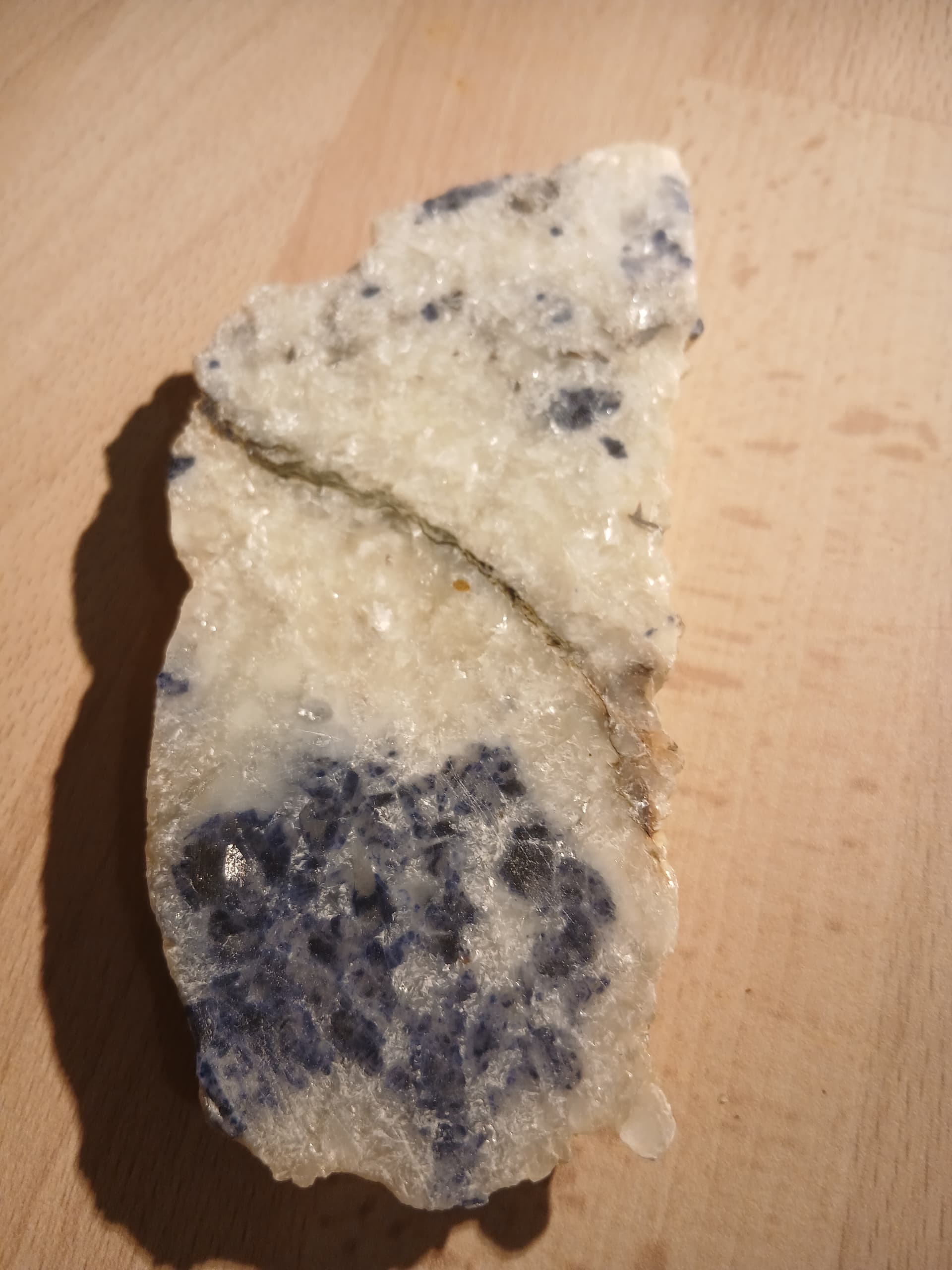
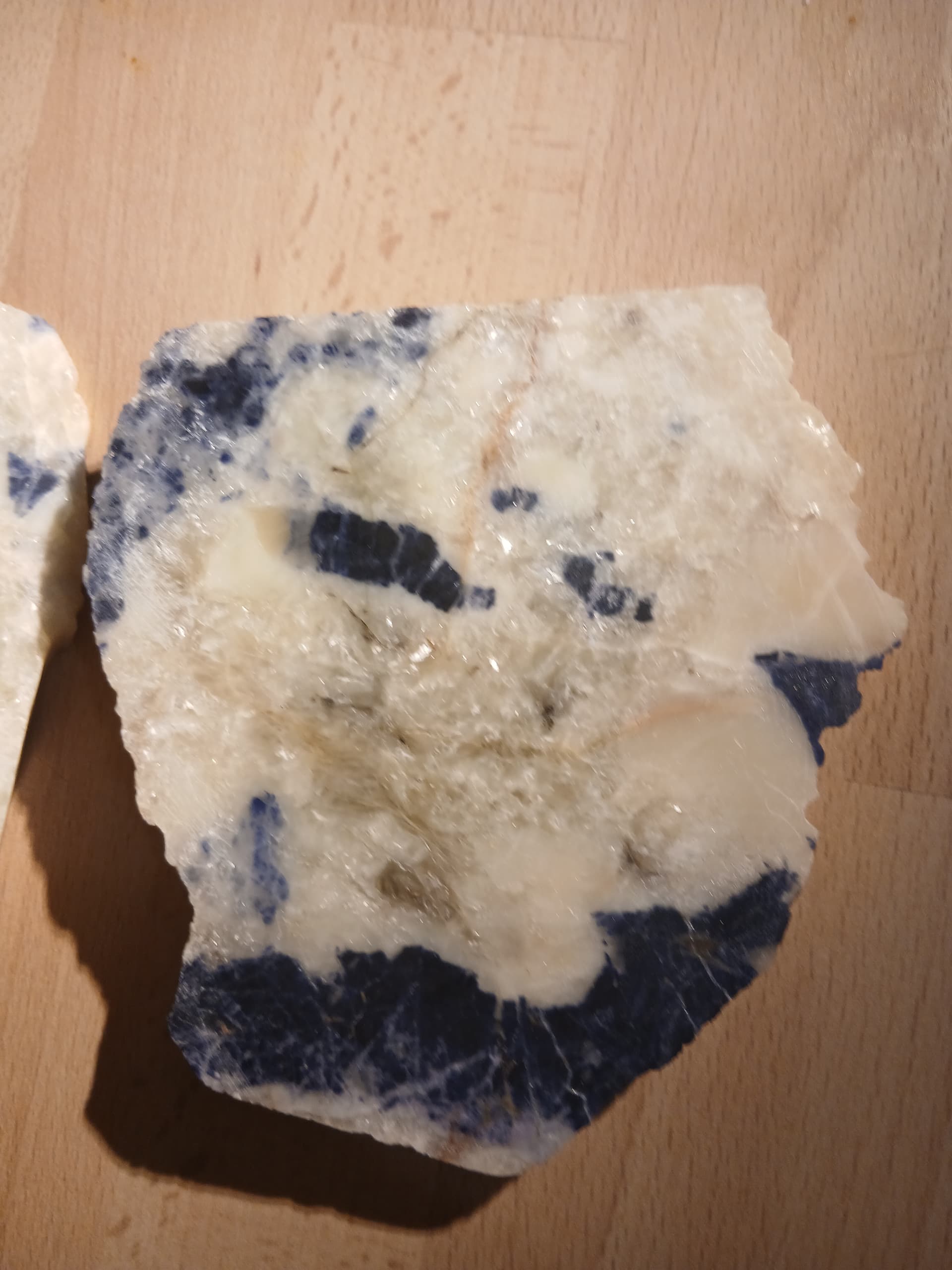
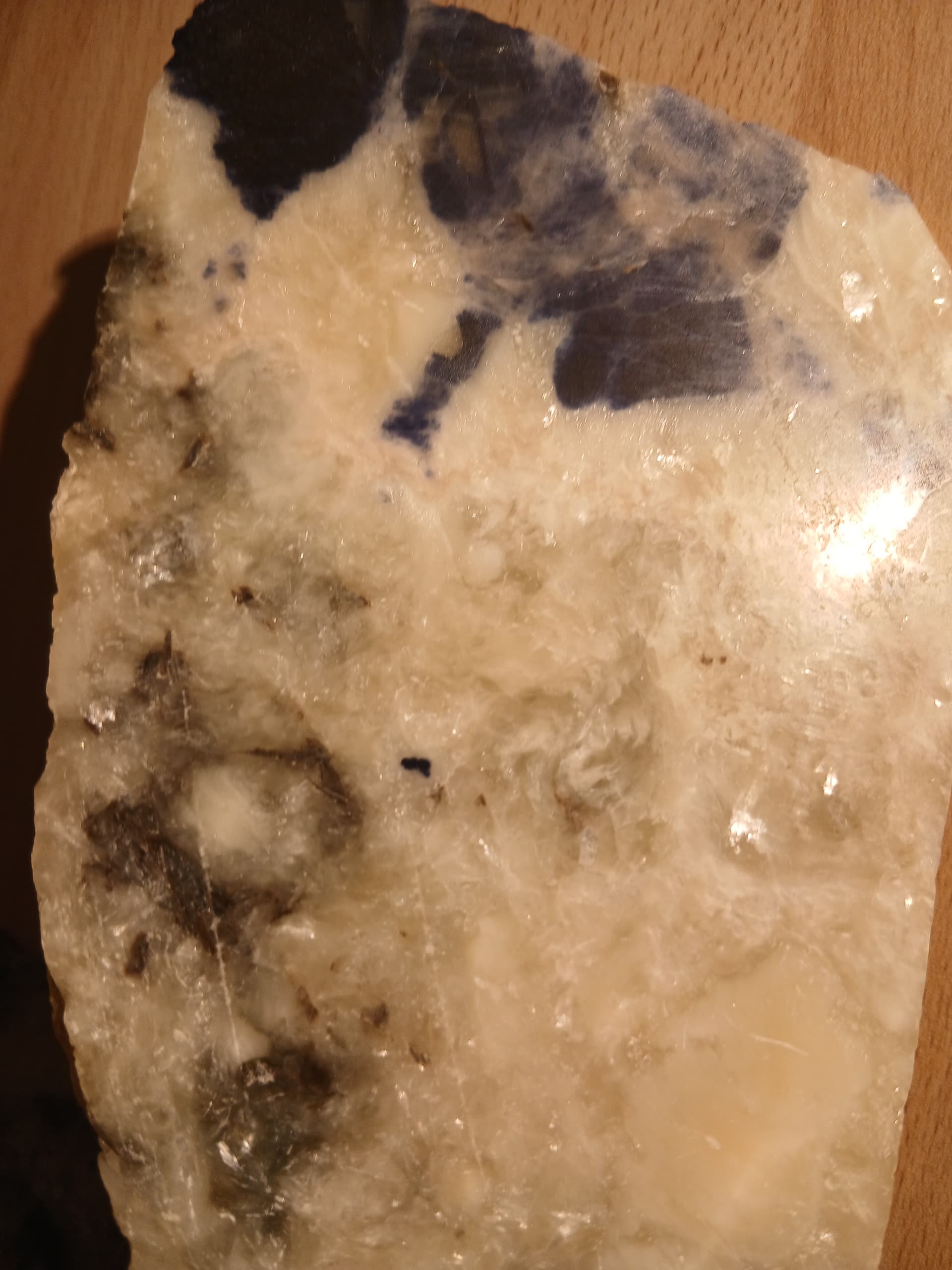
sapphire with inclusions of mic

Thank you very much, Steven, for all your detailed explanations
I noticed that Jacqueline Bell, a GIA graduate gemologist.
It would be wonderful if she could join the conversation, as I would really appreciate her insight on what the GIA could potentially provide in terms of expertise for my specimen (reports, possible analyses, costs, etc.).


Thanks again for your time and support.

1 Like

The GIA should be helpful. The abstract above on the Geology of Corundum and Emerald Gem Deposits came from the GIA
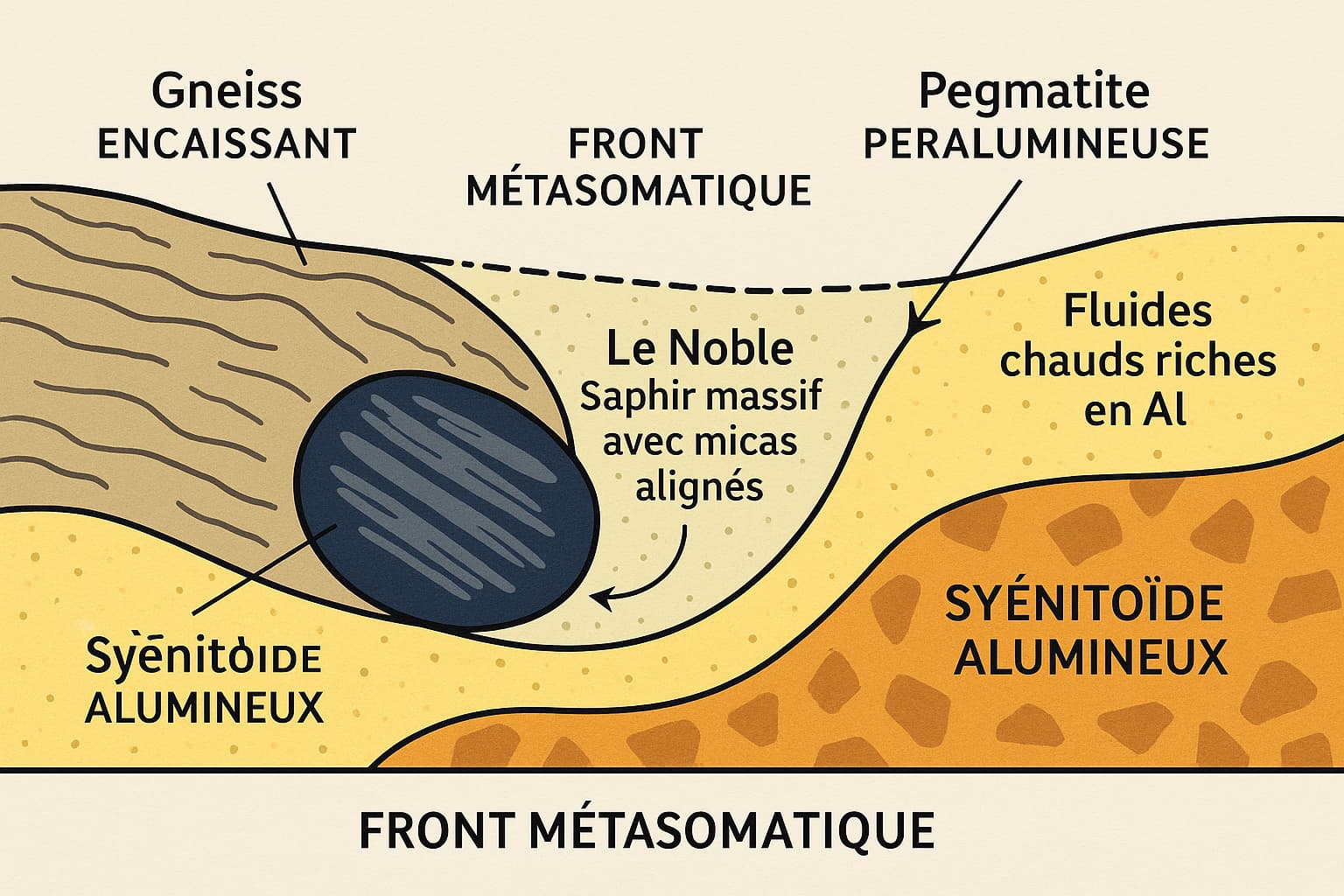
They have PhD’s and post doctorals who do scientific minerological research, but mostly how it applies to gems. A broader context for your rock would be the SFMG. I assume you live in Paris. You have my reference for the SFMG. The gangue material is just as important as the corundum. Identification of feldspar would be helpful. Pumasite rock is composed of corundum and oligoclase feldspar (soda plagioclase). If the feldspar is a soda plagioclase that would indicate desilication of a pegmatite. Alkali feldspar (orthoclase) coexists with corundum and soda plagioclase in low silica rocks- syenites and nephiline synenites. Alkali feldspar isn’t specific. Golden sheen sapphires are predominantly basaltic with more iron. Calcic mica- margarite, was in your specimen. That would indicate a metamorphic/metasomatized desilicated rock host. Your specimen is very unusual. Mica sheen in sapphire has NOT been attributed to margarite, mostly to biotite and muscovite. If your specimen were a single crystal, margarite mica cannot simultaneously co crystallize with corundum to make the mica become inclusions
 as it’s polycrystalline, corundum could decompose into margarite during retrograde metamorphism/hydrothermal alteration. Right now, I strongly suspect that the mica is margarite from the SEM result showing calcium
 However, all of this is ONLY SPECULATION
 The identity of the mica has to be confirmed or validated. Raman spectroscopy could do it, Then afterwards, LA-ICP-MS, with Gd/Mg, trace element profile, isotopic ratios for both major and trace element profile
before going there which is expensive, the thin sections you have already prepared for EDS-SEM, should be examined under an optical microscope, along with the whole rock by an igneous/metamorphic rock petrologist. LA-ICP-MS will also provide dating by trace element isotopic ratios
 The India-Asia collision started in the creatceous/early Eocene- about 65 to 55 million years ago
 The gem belts and leucogranites started 40 million years ago, with Kashmir sapphires dated to 25 million years. Anything older than the Himalayan orogeny wouldn’t come from the entire Himalayan system, including Afghanistan, Pakistan. Good luck and keep all of us informed if you pursue futher research into your rock (I’m calling a rock because contains other minerals, not pure corundum)
 This kind of difficulty in identifying a rare or unique rock is not uncommon. It’s a straddle between gemology and petrology
Knowing exactly what what everything in it is, knowing the accessory (mica, feldspar, maybe a few more in very small amounts) minerals, how it formed, with it’s very unusual calcic mica inclusion-- even more so, if the inclusions are within a microcrystal and not interstitial. That won’t necessarily tell you it’s value. But if is unique or very rare, the price of it as a specimen would be make the value much higher
If you can get someone in mineralogy/petrology to help you ID its trace components, go for it! Gemological valuation can be pursued after petrological analysis as it’s difficult to both simultaneously.
The last thing that I have to say is that I applaud your decision to get it carved into a work of art rather than a simple ashtray!!! Vive la chase!, Bonne chance!

PS: I don’t think that Bell is following this conversation. I posted her and I hope she rejoins
 send her a post or a private message if you want her input again. As my post mentioned, she’s the one that sent us a tip and set off this discussion


1 Like

I think the GIA could probably provide me with some of the answers I am looking for, and I am ready to send samples if necessary.

Also, it would be an honor if Jacqueline could join the discussion. Her experience at GIA and her expertise would bring valuable insights, and I would greatly appreciate her opinion and advice.

Hi Steven,

Goethite has been documented in both gem varieties of corundum. I have several stones in my collection that have inclusions I believe are goethite. One I suspect is heated with some odd halo type inclusions, another specimen does not show obvious signs of heat-treatment but has some inclusions that are suspect. A third and distinguished specimen has one of the most unique inclusion growths I have ever seen. There are several 3-axis orthogonal acicular inclusions referenced along the c-axis. I suspect it is rutile, however, lepidocrocite a pseudomorph of goethite could be a rare possibility. Unfortunately, I do not have locality information on that one. Photos will be forthcoming. :slight_smile:

Been driven to develop a project instrument to perform non-destructive analysis using the microRaman method. About 70% complete on the build. Unfortunately, time and materials invested for its construction are governed by my work schedule.

As for literature on goethite inclusions, these articles are some you might have reviewed. They demonstrate the Raman analysis, which is why I have interest in their content.

https://www.researchgate.net/publication/249853029_The_Formation_of_Corundum_and_Aluminous_Hematite_by_the_Thermal_Dehydroxylation_of_Aluminous_Goethite

Thermodynamics and crystal chemistry of the hematite–corundum solid solution and the FeAlO3 phase

Cheers!

1 Like

Hello everyone,

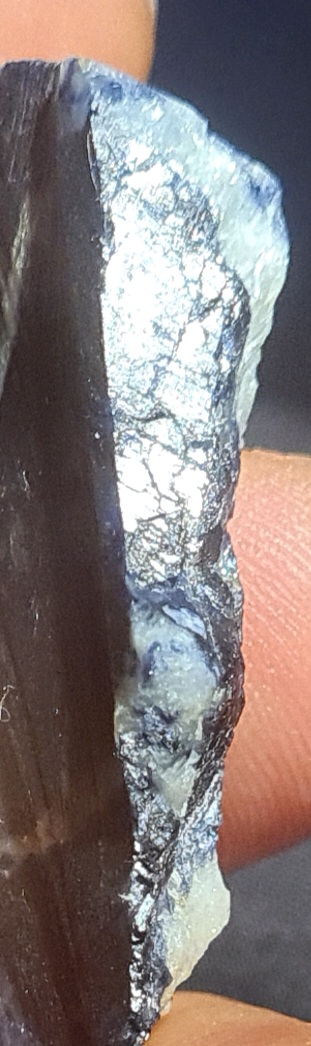
On this sapphire specimen, the entire shiny surface you see is made of mica. When I tried to scratch this layer with a sapphire fragment (hardness 9), no mark appeared — which is surprising, since mica is usually soft (≈ 2.5–3 on Mohs scale).

My question: How would you explain this unusual resistance? Do you think the mica could have changed its properties (density, hardness, cohesion) by being compacted and recrystallized inside the corundum?

I also observe that:

the mica occurs as continuous lamellae, aligned within the mass,
unlike rutile inclusions (needle-like networks) or hematite (thin plates), here the mica seems truly “welded” into the sapphire, which might explain its apparent hardness.

Do you have an explanation? Thanks in advance.

1 Like

Hi Kadda,

It seems the process of crystallization out of the melt solution could have happened how you described. The platelets of mica (Lepidolite seems a good candidate) could have formed in-situ with the corundum simultaneously, in that portion of the stone matrix. In other parts where the different minerals are stratified, could indicate a change of solution chemistry, thermal or pressure that stipulated which mineral developed.

There are still too many unknown parameters to suggest an answer.

Curious if the tomography scans provided any clues to microscopic structure boundaries or was it more macroscopic in nature?

-Troy

2 Likes

The EDS-SEM showed calcium in the micca. The mica should be definitively identified with it’s chemical composition
 If it is a calcium mica, then something very unusual is going on. Margarite doesn’t form in situ, WITHIN a corundum crystal. It’s commonly associated with corundum. Of the calcic minerals at same PT conditions, diopside would co-crystallize. However, as you mentioned, magmatic and metamorphic fluids change in composition, come as differing pulses, leading to zoning and the precipitation of accessory minerals. Calcium micas form are lower PT conditions than corundum and are usually thought of as secondary to weathering or retrograde metamorphism of corundum deposits. Cycles of prograde and retrograde metamorphism could create interlocking microcystals with calcic mica. The sample itself is polycrystalline. This rock is intriging and beyond my knowledge to analyze with data provided so far. Kadda is interested in the gem specimen value which I really don’t think it will be superhigh
The scientific value might be worth more
but it is unique, it will have value both ways. Carving into a piece of artwork rather than an ashtray or a plain old small bowl will be value enough by itself
 best wishes to both of you and especially to Kadda.

2 Likes

see my latest post to Troy. For reasons discussed, you might have something unique or very rare
 it’s value as a gem specimen may not be superhigh, the scientific value could be
even though scientific value doesn’t make you a cent, it could if the rock is identified as very rare or unique. That would also elevate the value. Your idea of getting it carved into a piece of art rather than an ashtray or other ordinary paperweight will give it high value in and of itself
Have you done more research into it and what else have you found about it
 please keep us notified of what is coming next
good luck and best wishes.

1 Like

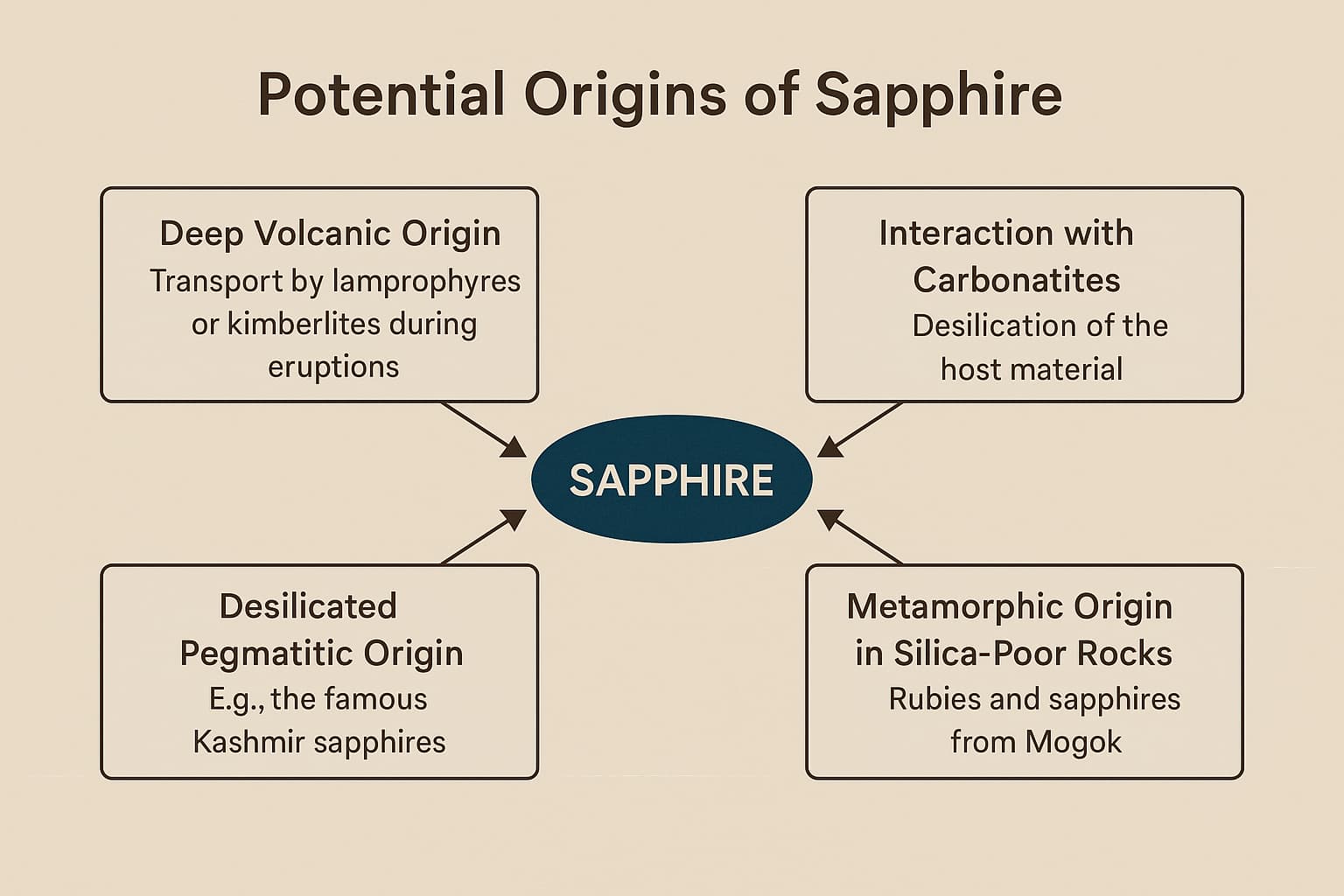
There’s an article on sapphires in Gem and Gemology, Fall, 2026, Vo. 52, Published by the GIA. A sapphire deposit in Sutara, eastern Russia was described. Margarite was found as inclusions within corundum. An unusual type of desilicated pegmatite, MARUNDITE cystallizes margarite and corundum. Mindat describes it as an “enigmatic” rock.. Plumasite, on the other hand crystallizes phlogpite mica, a magnesian mica. This deposit was desilicated by marble..Some of the pictures shown resemble your rock. I can’t copy and paste the photos. The reference is online and is open sourced. There’s another reference on the occurrance of semi gem quality corundum with margarite inclusions within
 the first reference I sent you on the corundum deposits in Egypt also had another paper with margarite inclusions in corundum. Both papers say that the margarite was a result of retrograde metasomatism. You might want to look up the GIA article. I think it’s relevant to your rock
 again the identification of the mica is the most important clue. These kinds of corundum are very uncommon as their geological occurrance is quite rare.

2 Likes

The golden sheen sapphires were from Kenya. Ga/Mg is high, indicating is a “basaltic” origin sapphire. Most of the sheen inclusions were iron minerals. Fe3+ iron minerals were predominant. Goethite would have been a late stage, water and 02 rich environment. Rarely, wustite, Fe+2 is present. That mineral would be oxidized to Fe+3
as would also be magnetite. Lepidolite has not yet been found as an inclusion in sapphire. A felsic pegmatite intrusion into an ultramafic host rock would cause desilication for corundum to form. This should be at the contact or close it. Lepidolite has been found in associaiton with corundum, within the residual high silica melt. however, the association is rare. Desilicated pegmatities have also be associated with Be minerals, even emerald, Topaz. Silification of the mafic to ultramafic host rock results in amphibolite gneiss, greenschist at low grade metamorphism. Mica found is usually muscovite and biotite, What’s interesting about biotite is that it’s technically undersaturated (silica deficient). It can also form in a continuum with margasite, although also technically not a solid solution

 The below is an open source reference.

Feature Gems & Gemology, Winter 2019, Vol. 55, No. 4

Geology of Corundum and Emerald Gem Deposits: A Review

At this point, I really think that next steps should be Raman spectrosopy on the mica, and if not possible LA-ICP-MA. That would depend on how much more money Kadda is willing to spend. The best way to get at this is to have an academic take interest in his rock.

2 Likes

N’hĂ©sitez pas Ă  nous faire part, Ă  Troy et Ă  moi, de ce que vous avez trouvĂ© depuis votre dernier message.
N’hĂ©sitez pas Ă  nous tenir au courant des prochaines Ă©tapes que vous envisagez.
Le sujet nous intéresse tous au plus haut point.
Je vous souhaite bonne chance dans la poursuite de vos recherches et
Je vous souhaite une excellente journée. Je vous remercie.

Please let Troy and myself know what you have found since your last post.
Please keep us updated on what next steps you are considering.
The topic is of profound interest to all of us.
Best wishes on your continuing research. Have a great day, Thanks.

1 Like

Hello everyone,

Thank you again for your advice.
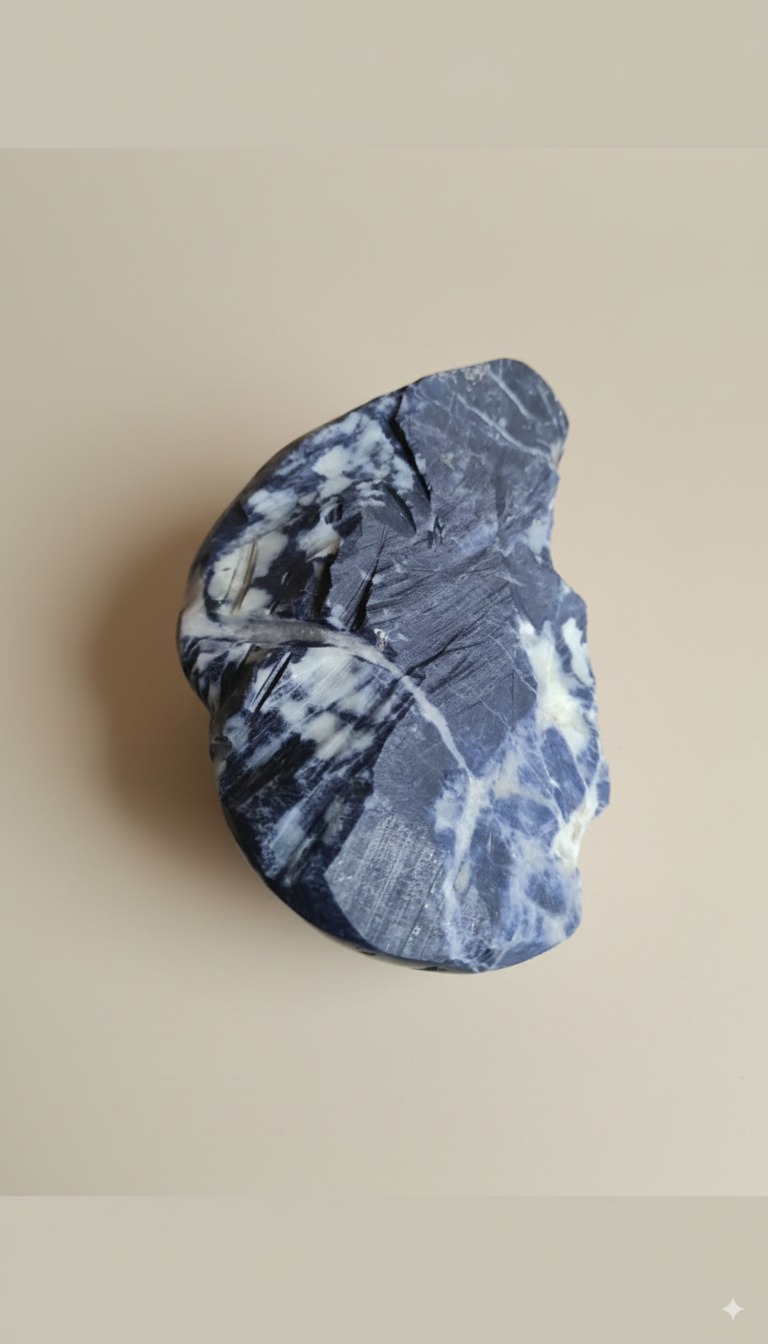
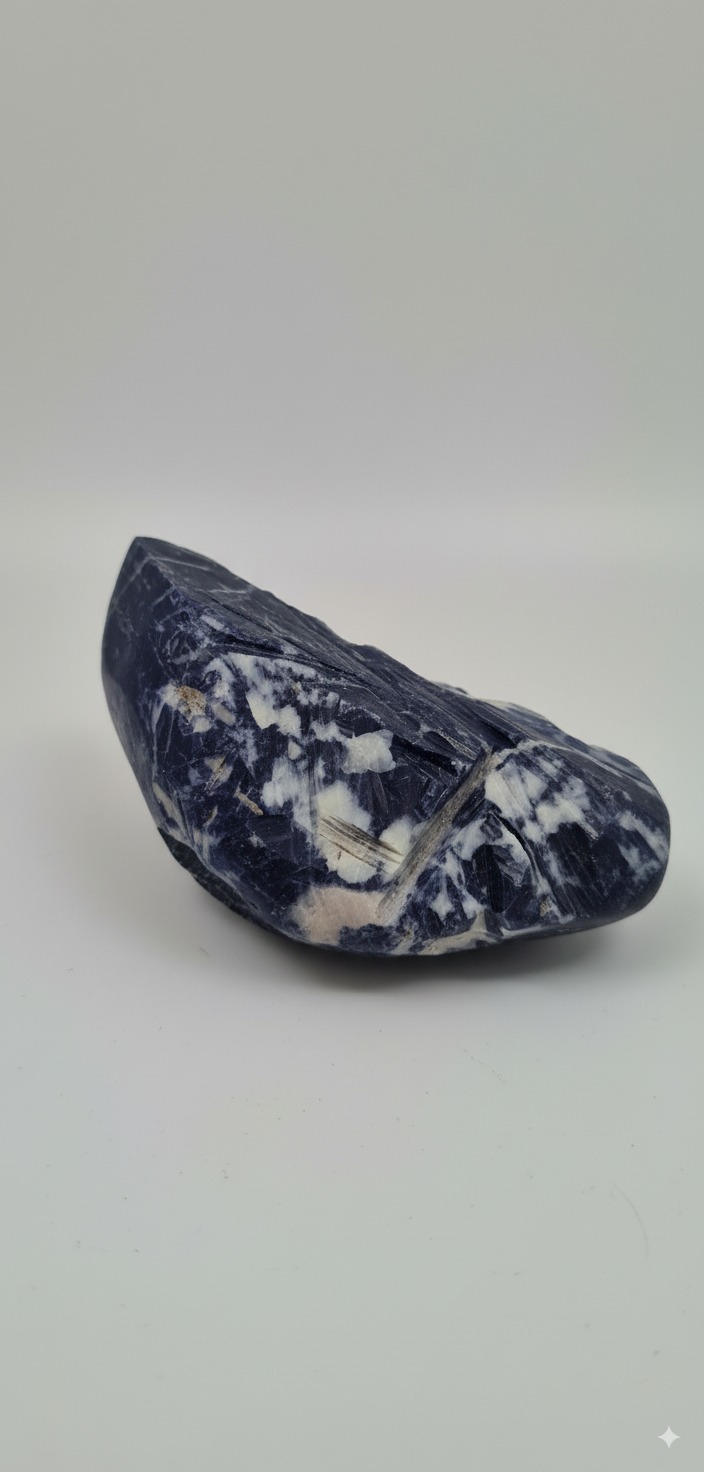
Since my last update, I have removed the feldspar gangue that was partially covering the specimen. The exposed surface is now a deep midnight blue, homogeneous, which gives a much clearer reading of the internal structures: the oriented shiny lines (mica-sheen effect) extend continuously across large areas.

I am currently in the polishing phase (carefully controlled to preserve the optical effect) and I will share photos once this stage is completed.

On the scientific side, I have made contact with a specialist (mineralogy/gemology) to whom I will provide samples as well as the tomography. I am now waiting for their verdict/report, which I will also share here.

Best regards,

1 Like

I certainly hope that the mineralogist will be able to identify the mica without going in expensive testing. I am extremely interested in the composition of the mica. If it is margarite or a Ca/Na mica, it would be very rare.
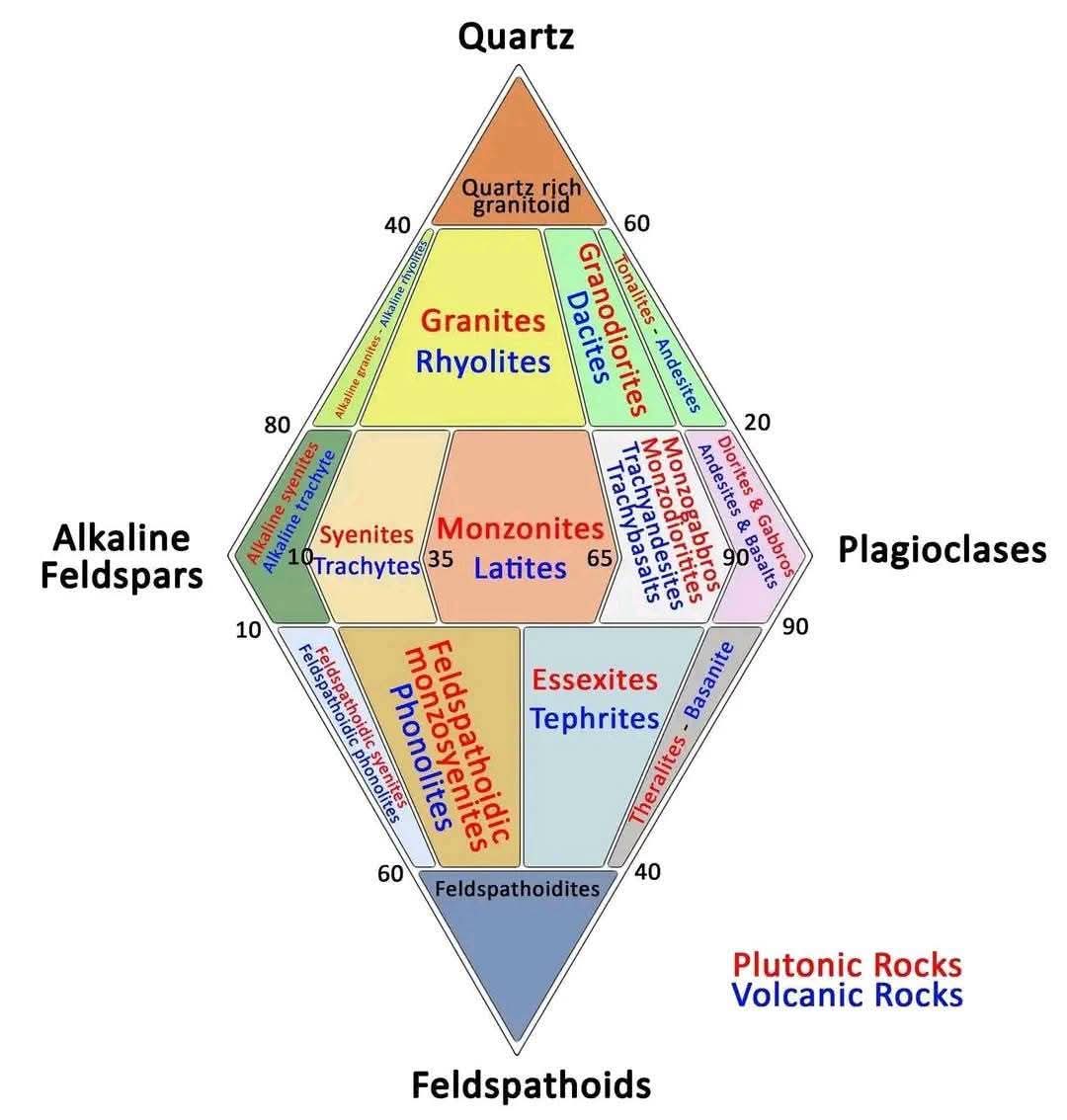
What you have posted is the QAFP diagram. It’s the only way to classify igneous rock in the FIELD, not the lab
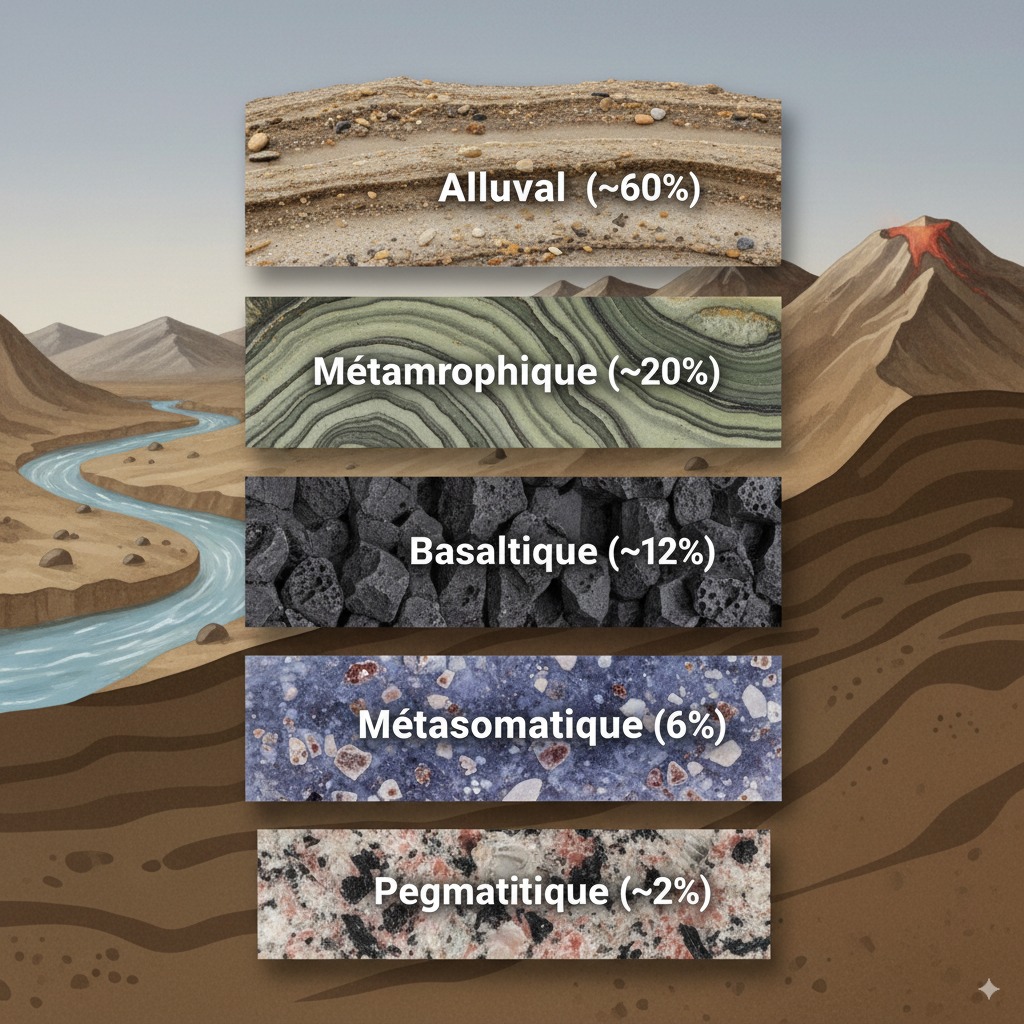
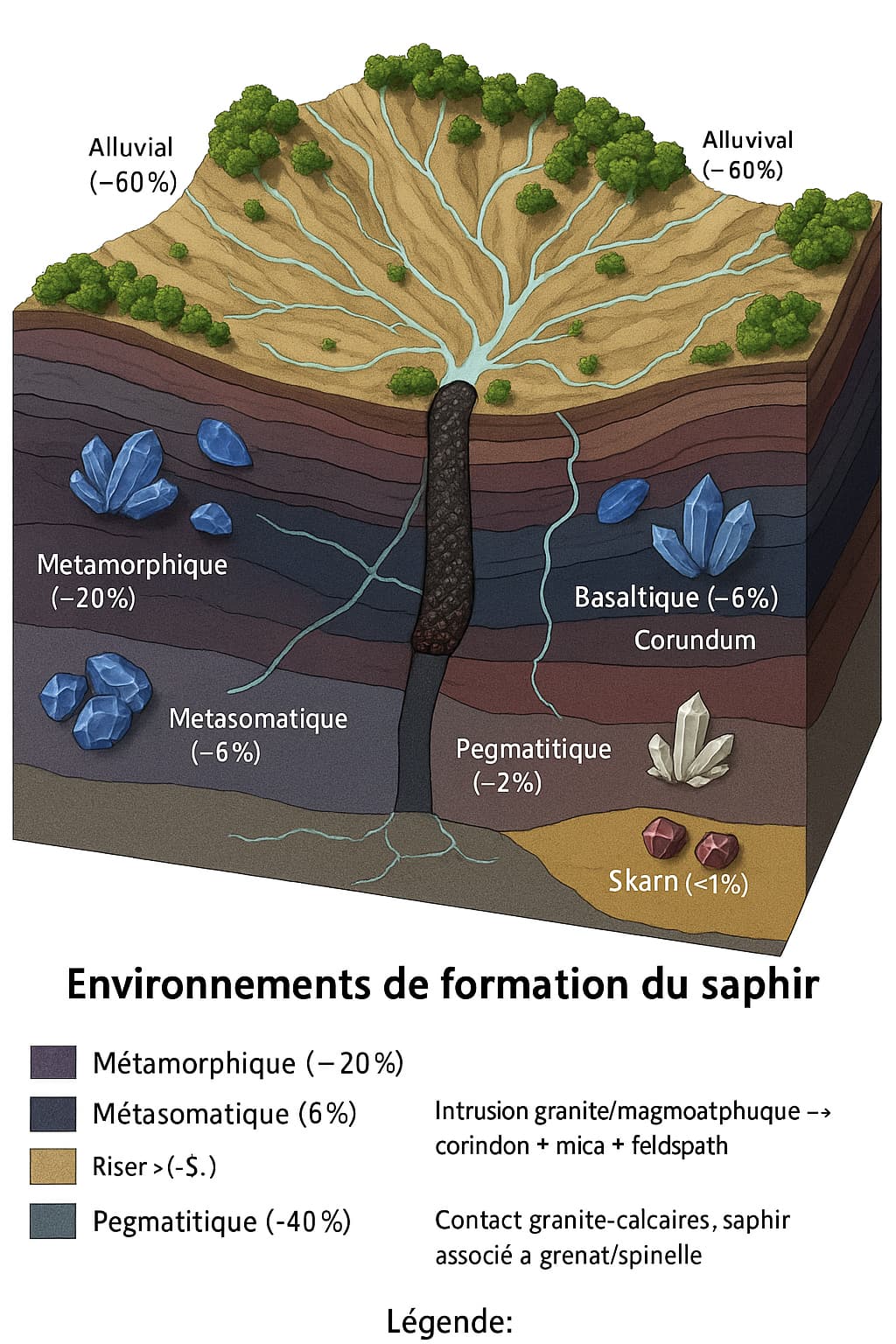
 Corundum will exisit in the far left middle of the diagram, where highly alkalic rocks to silica undersaturated rocks are. The sapphires in these kinds of rocks can form directly from a melt phase. Silica is deficient and Alumina is high. The field goes part way into Syenites, Feldspathoid Monzosyenites. More silica than that (towards the quartz apex), free alumina combines with silica. “Basaltic sapphires” come from the field to far right below quartz/ silica saturation line.. Basanites/theralites and even more silica deficient rocks, lamprophyres and their allied rocks carry sapphires from the lower crust and to a lesser extent, the upper lithospheric mantle. Subduction carries down aluminious sediments which get transformed into corundum through metamorphism and partial melting. Deep seated “basaltic melts” carry the corundum up to the surface. The sapphires are preserved and don’t revert to aluminum silicates, due to low silica activity in these melts. These sapphires can still show surface erosion and degradation from contact with silicate magmas. Although basalts only make a thin slice about the silica saturation line, both alkalic and thoeliitic basalts comprise the most common rock world wide. All of ocean floors are thoeliitic basalts. Flood basalts are thoeliitic also.. Granites exposed at the surface comprize 20-30%, there rest being thoeliite. However, the continental crust is much thicker. By volume, granite comprizes more than 25% or more of the crust. However, volumetric estimates are difficult
 Your specimen is more suggestive of a metamorphic origin and not from a silica deficient melt.. the assumption being that it came from Afghanistan, Pakistan or another place within the Himalayan orogeny. Desilication of a high silica pegmatite by intrusion into mafic/ultramafic host rock. The feldspar could confirm that also.. If the feldspar is albite, or oligoclase that would make it a plagioclase. alkali feldspar can still coexist, but exsolves at lower temperatures, forming perthites or sanidine. The feldspar is important as another clue to the rock’s origin. Don’t throw it away. Your expert mineralogist should be given the feldspar to examine in hand specimen, It shouldn’t take a lot of analysis either.
Thanks for keep us updated. Merci beaucoup, bonne journee.

1 Like

Hello Steve,

Thank you very much for your analyses and the valuable information you shared
They really help me better understand the possible context of this specimen.

I’m sharing with you a few photos after removing part of the feldspar. The stone is currently being polished.

La partie blanche est Ă©galement du corindon, d’aprĂšs vos commentaires passĂ©s. Si vous le voulez bien, montrez-nous le feldspath. Si vous pouvez montrer la texture de prĂšs, envoyez une photo.Il serait difficile de voir sur la photo s’il s’agit d’orthoclase, d’albite ou de perthite. S’il l’est d’un grain grossier, une perthite serait identifiable sur une photo rapprochĂ©e. Le contexte de la pierre est l’indice de son identification. Le type de mica Ă  l’origine de la brillance est le plus important et est extrĂȘmement important, pour les raisons que j’ai dĂ©jĂ  Ă©voquĂ©es
 Le feldspath est un autre indice.
Merci pour votre rĂ©ponse et Troy et moi serions avide de dĂ©couvrir ce qu’un minĂ©ralogiste expert vous dira par la suite.

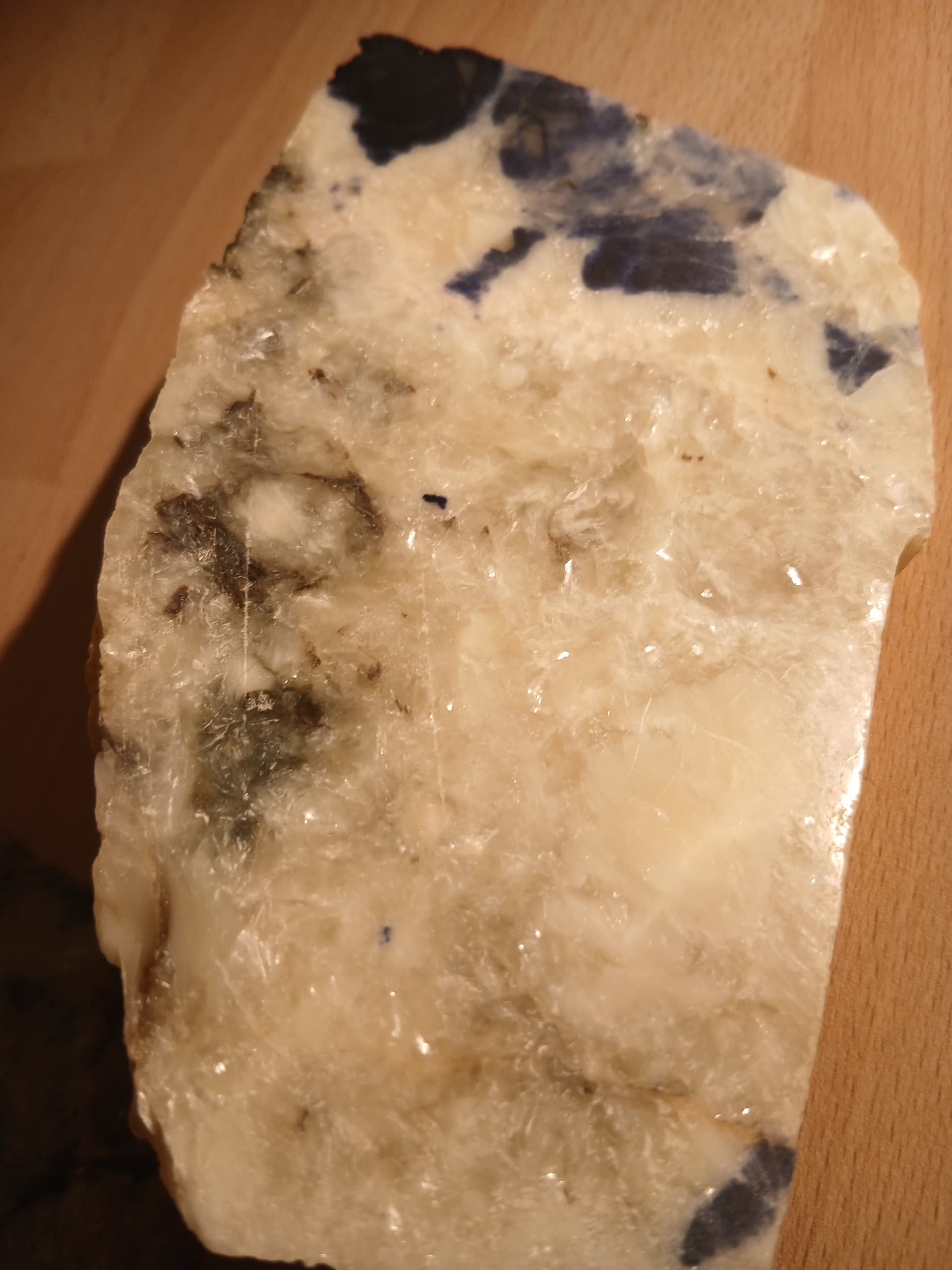
The white part is also corundum, according to your past comments. If you don’t mind, please show us the feldspar. If you can show close up for texture, please send a picture. It would difficult to see in picture whether it’s orthoclase, albite or perthitic. If coarse grained, a perthite would be identifiable from a close up picture. The context of the stone will indicate it’s identification. The type of mica that’s causing the sheen the most important and extremely important for reasons I’ve already talked about
 The feldspar is another indicator.
Thanks for for reply and Troy and I would be eager to find out what an expert mineralogist tells you next.

1 Like

Kadda just posted more pictures of the specimen after being cleaned of feldspar. I hope you are keeping up with this conversation. I responded to his post in French and English
 Kadda has found someone who could shed more insight into this stone. This is the most involved that I’ve ever been in any stone ID discussion. It’s taken me into research papers and I am also learning a whole lot of new stuff. I hope I haven’t hikjacked the conversation into petrology. Even though the question was initially gemological, the stone itself is not gem quality, yet it’s formation is intriquing. Massive corundum is usually impure, with a bunch of iron minerals, usually magnetite, spinel, hercynite. Deposits are common and don’t contain gem quality corundum..the name for it common emery
As such, I think sometimes I’m making too much of a big deal about it. However, from a petrological perspective, the “sheen mica” and it’s ID is a big deal for me..If the mica is really calcic, it doesn’t belong in corundum.. that’s the conundrum. It would be nice if more peole chimed in.. but the discussion is not gemological. I’d hope there would be more professional geologists that joined the discussion. I still have doubts that I could be barking up the wrong tree. However, on the flip side of the coin, tectonics are really interesting. Continental collisions have created the East African gem belt during the neoprotozoic, during the Pan African Orogeny, leading to to formation of Gondwanaland. The final assembly of Gondwanaland created the gem belts of Brazil and West Africa. The most recent continental collision created the Himalayan gem belts. On the Tibetan side of Himalayas, Chinese researchers have found valuable gem and rare mineral deposits of tin, tantalum, and niobium which only being recently exploited. Both subduction induced and collision induced widespread metamorphism have created most of the world;'s deposits of orogenic gold, tellerium, antimony, poly metallic base metal deposits Zn/Pb/Cu/ Ag. The intense metamorphism mobilized highly reactive fluids, leaching millions if not billions of cubic kilometers of rock over geologic time.. These metals are of strategic importance
 So in a larger context, Kadda has sampled just a speck of the grand picture..The similar circumstances that created Kashmir sapphires is at work in his stone also.

1 Like

1 Like

Hello Steve,

The current weight according to the photos is 2900 grams. The feldspar remains on the sapphire and goes sometimes deep inside, so it has to be removed zone by zone. The way feldspar is attached to the sapphire suggests that this attachment happened before the crystallization of the two minerals.

The gangue contains aggregates of sapphire with the same color and aspect, with mica inclusions. In the gangue, which is mostly feldspathic, there are also isolated feldspar crystals.

The large white area is also sapphire. On the photos, you can see that it fills a fracture in the blue sapphire. Since the mica lines continue across both the blue and the white zones, it means that the fracture in the blue sapphire and its filling by the white mass happened before the crystallization of the whole. It remains to be determined whether the blue mass started first and then a fluid change produced the white, or the opposite. We can also observe some sapphire crystals, mostly white, inside the blue mass.

The mica inside the sapphire is not large like those from Afghanistan and does not have the same color. In my sapphire, as I already mentioned, it is not in flakes but in a layer or film between the sapphire scales. It is solid and does not crumble, as if it were “fossilized.” I think the mica was installed when the corundum was still young, in ionic form. What do you think?

One question arises:
Is the mica inside the sapphire from the beginning of its growth, or did the sapphire undergo a fracture-filling process, acting like a sponge, and the mica then spread through the whole sapphire after crystallization?

Finally, how long do you think it would take for a 4-kilo sapphire with its gangue and mica inclusions to grow and crystallize completely?

Merci

1 Like

Preparation:

The sample was embedded in resin, cut along two sections, and polished. Surface cleaning with ethanol and N₂ (5 bars) was performed.

A carbon coating by evaporation with a high-purity braid (thickness ~30 nm) was applied to ensure secondary electron conduction in scanning electron microscopy.

BSE Imaging:

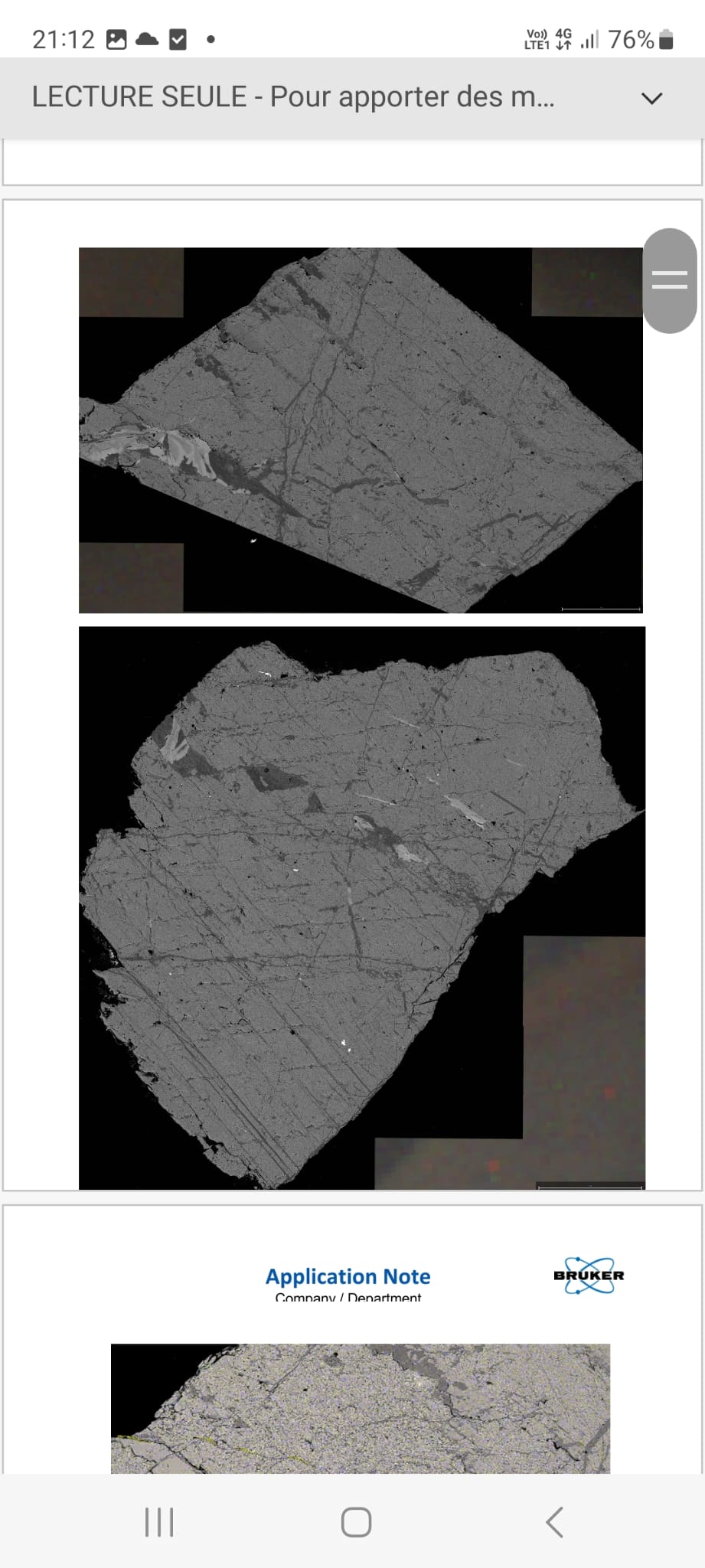
High-resolution mosaics (25 Mpixels) were obtained in backscattered electron imaging (atomic weight contrast) covering both sections, in secondary vacuum (~2 × 10⁻⁔ Pa) (column conditions: 15 keV, spot 4, aperture 30 ”m, working distance 10 mm).

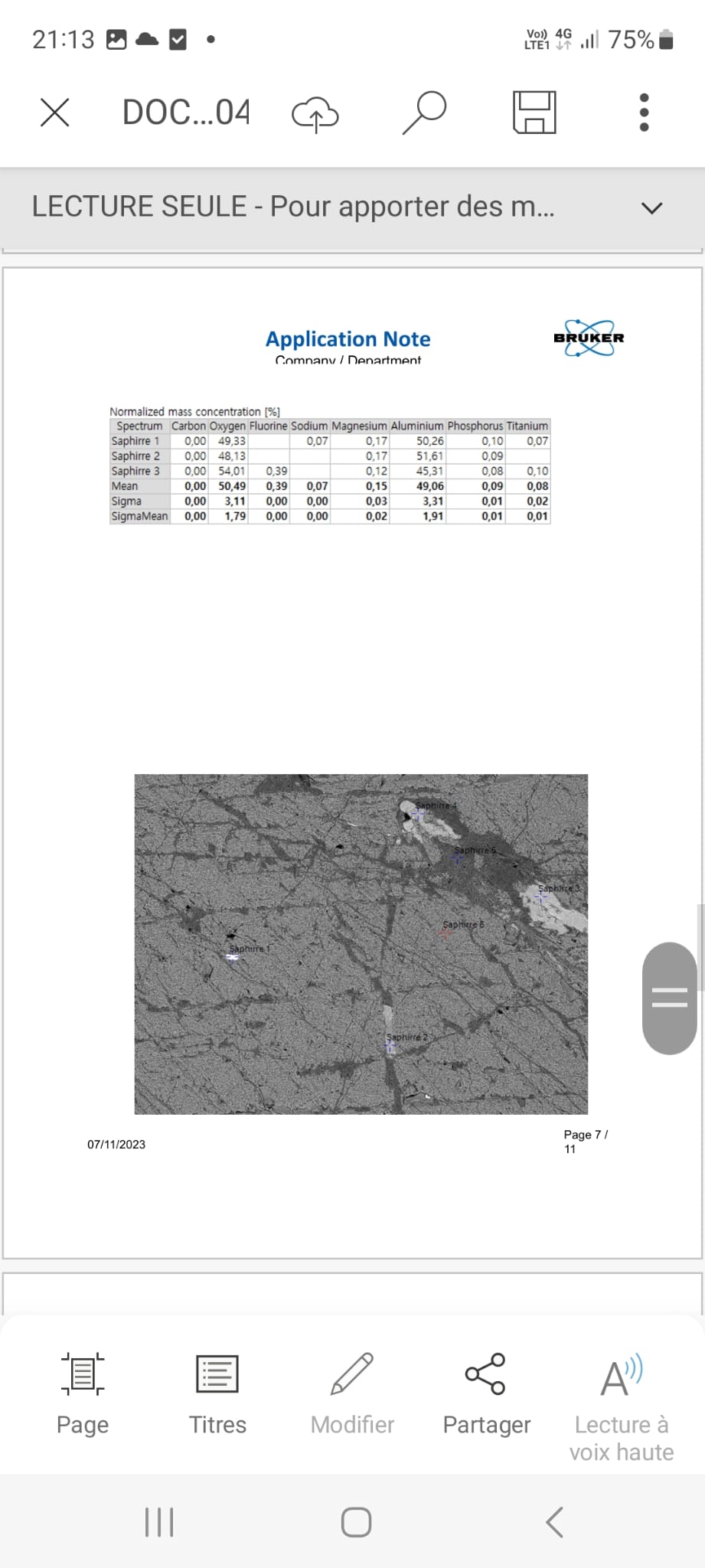
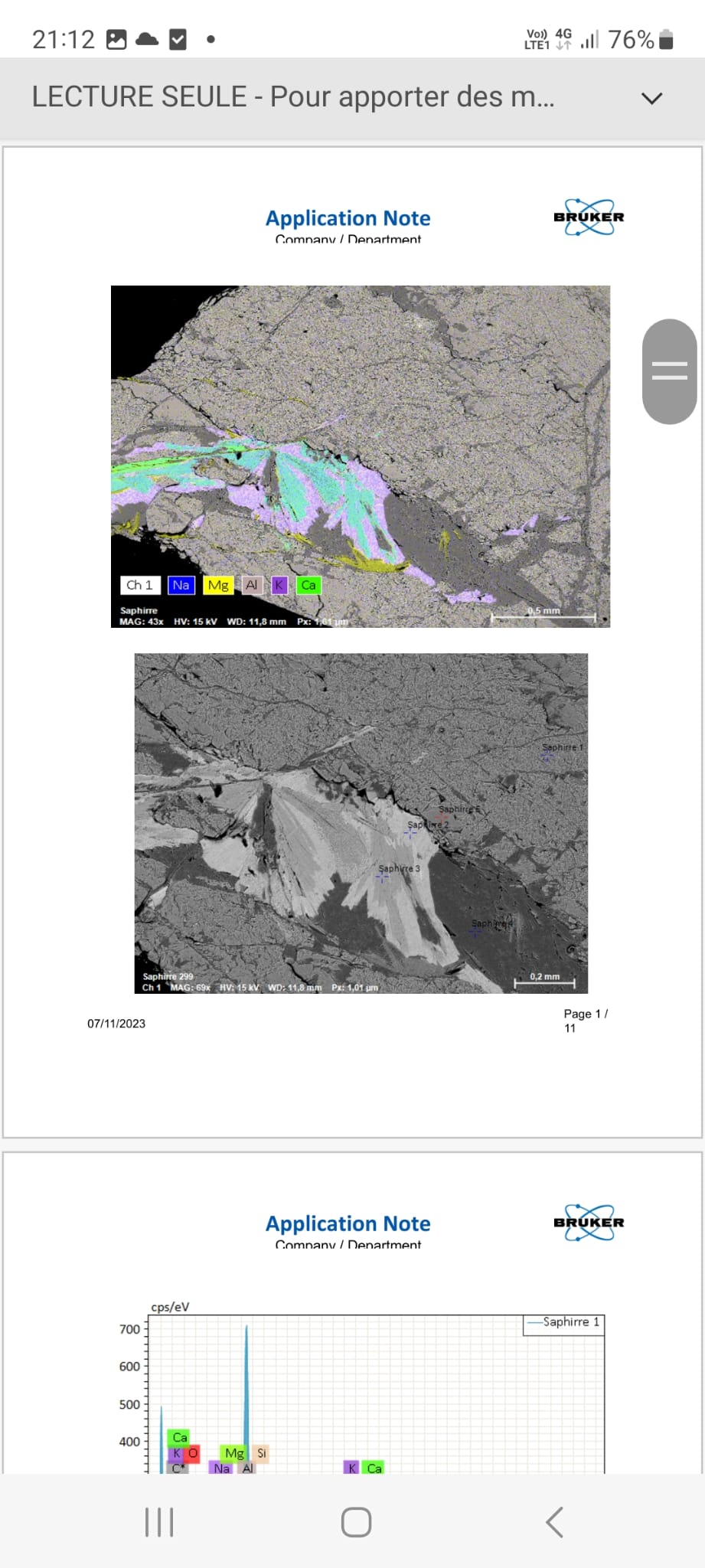
The textural analysis confirms a heterogeneous polyphase sample, showing networks of filled fractures and small automorphic minerals included, in both sections (see mosaics 1 and 2).

EDS Elemental Mapping:

A qualitative elemental mapping was carried out on one section (see mapping), in secondary vacuum (column conditions: 15 keV, spot 5.5, aperture 50 ”m, working distance 11.8 mm, EDS time constant: 600 kcps/s), with a resolution of 1500 pixels.

This confirms the aluminum oxide stoichiometry of the main phase, as well as three distinct fillings in a large fracture: two first phases whose texture and composition appear to indicate a phyllosilicate (Phase A rich in Ca and Na, Phase B rich in K), and a filling phase of xenomorphic aluminum oxide, depleted in Al compared to the main phase.

EDS Spot Analyses:

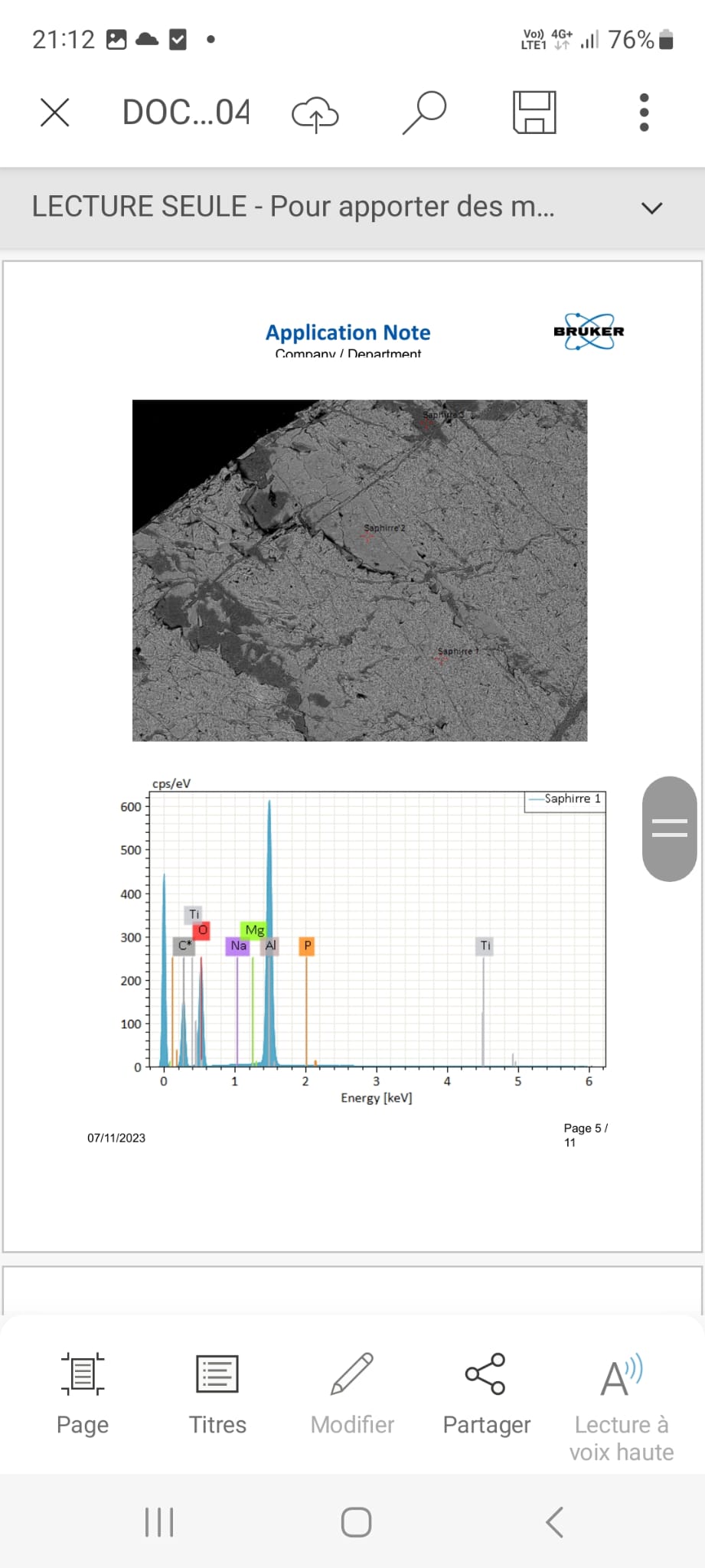
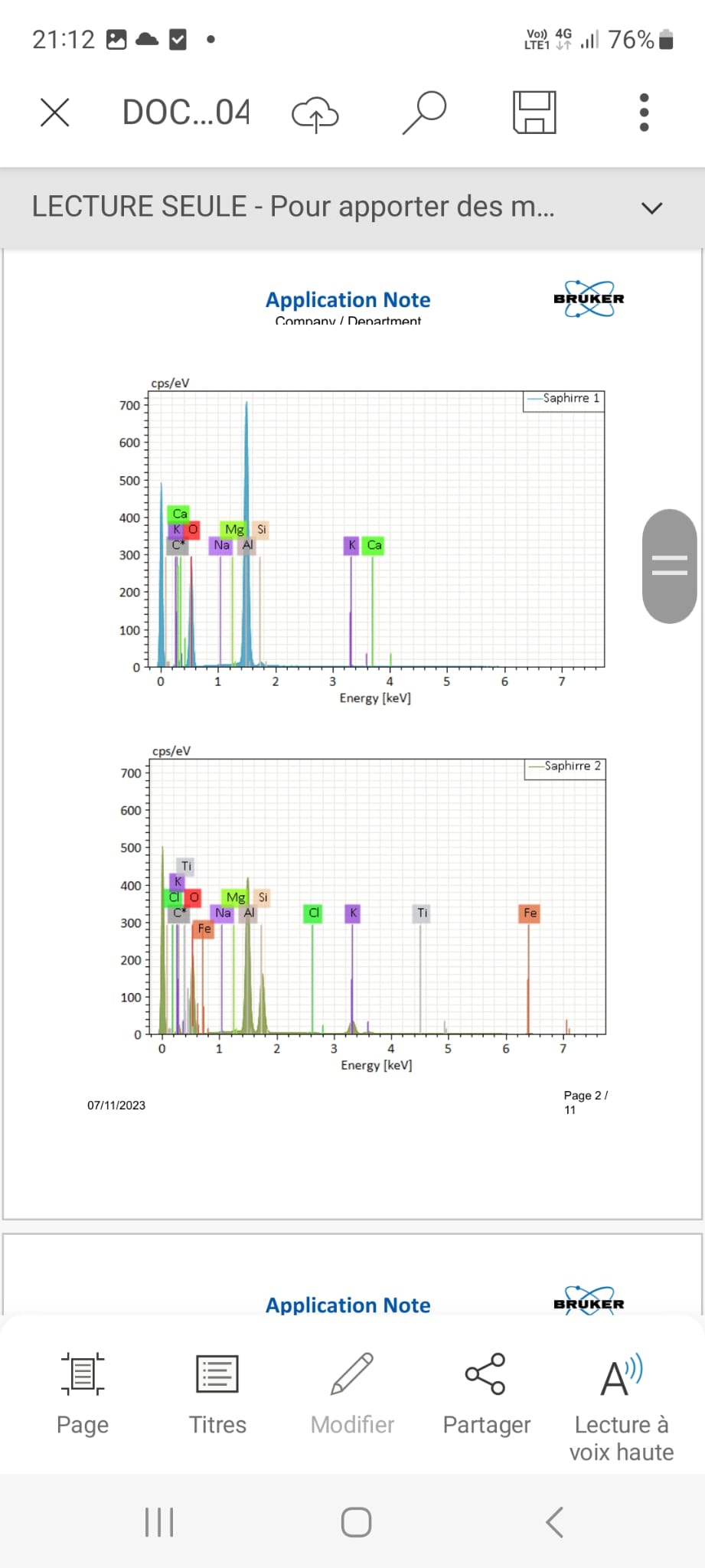
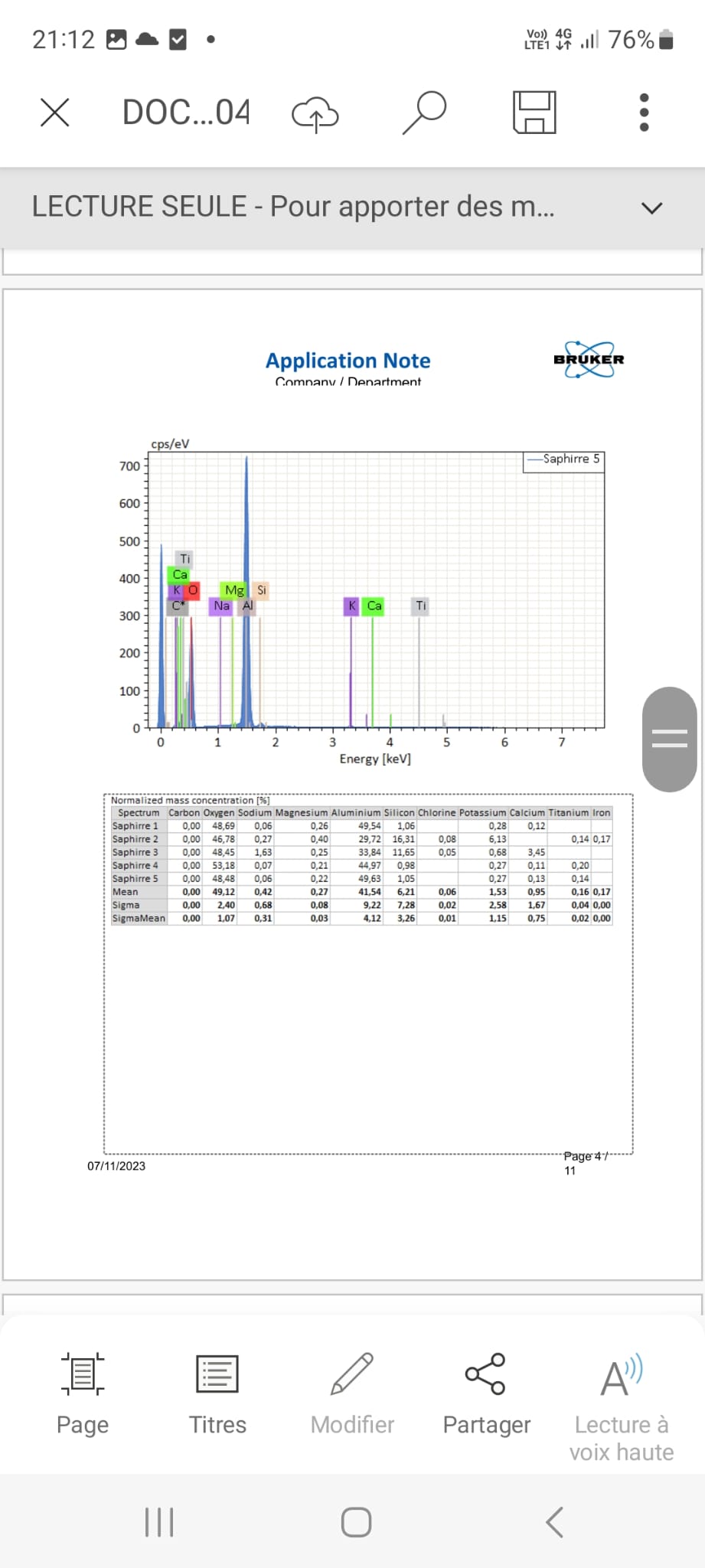
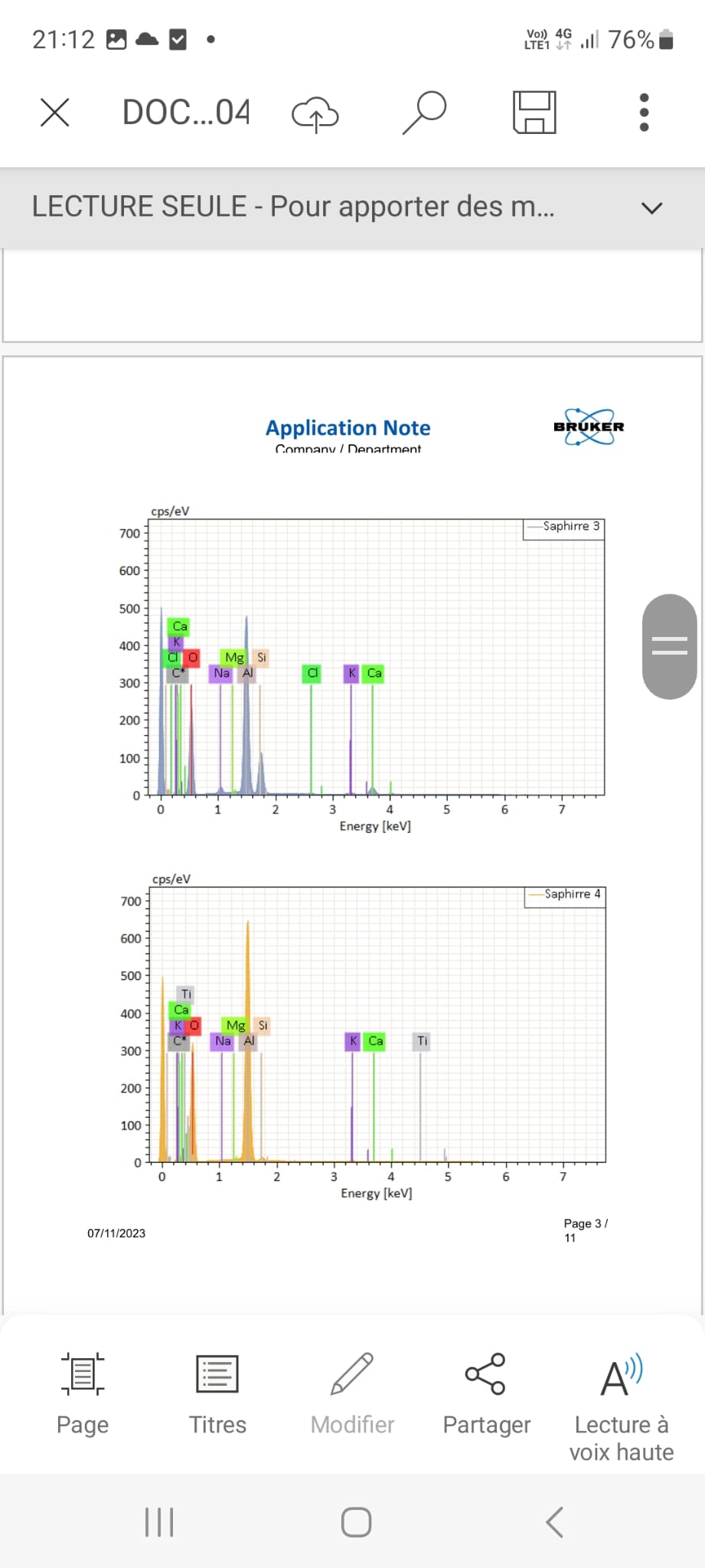
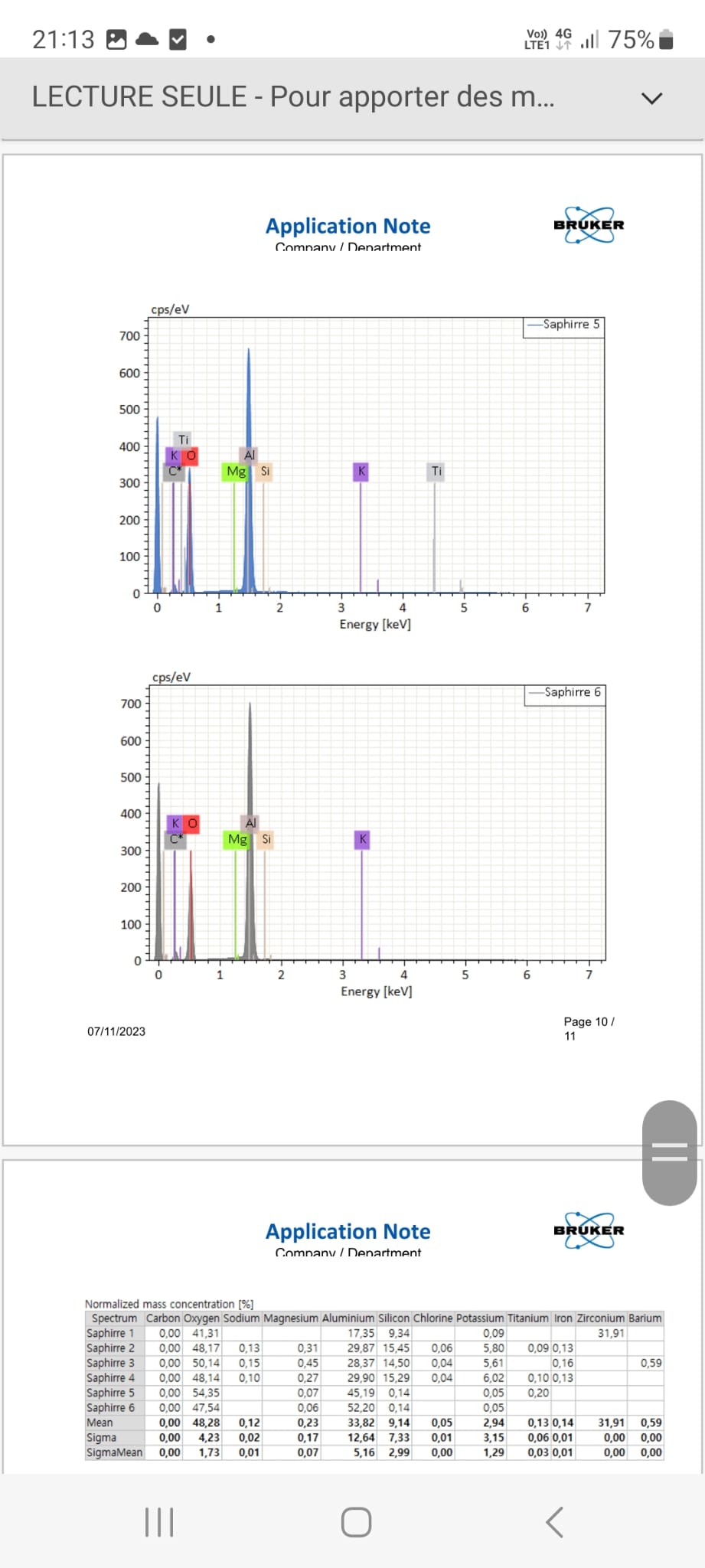
Quantitative spot analyses were carried out in two areas of the first section and one area of the second section, in secondary vacuum (column conditions: 15 keV, spot 5, aperture 30 ”m, working distance 11.8 mm, EDS time constant: 130 kcps/s).

The interaction volume is estimated at 1.6 × 2.9 ”m (L × W) under these conditions. The atomic weight elements below Na are not detectable in EDS; O is quantified in EDS, especially in this case. Quantifications are performed after Rho/Phi/Z corrections with certified and calibrated standards (MAC CAS) under these analytical conditions.

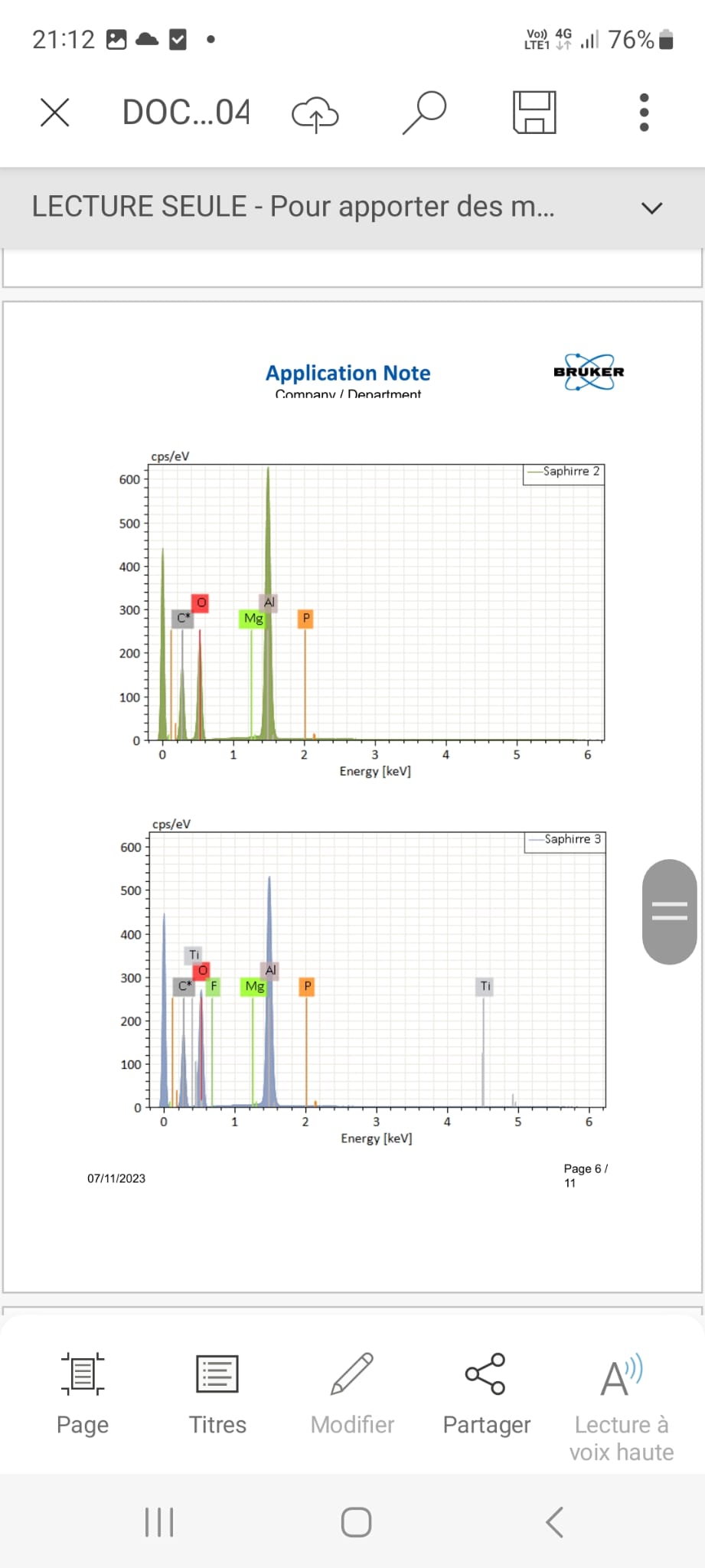
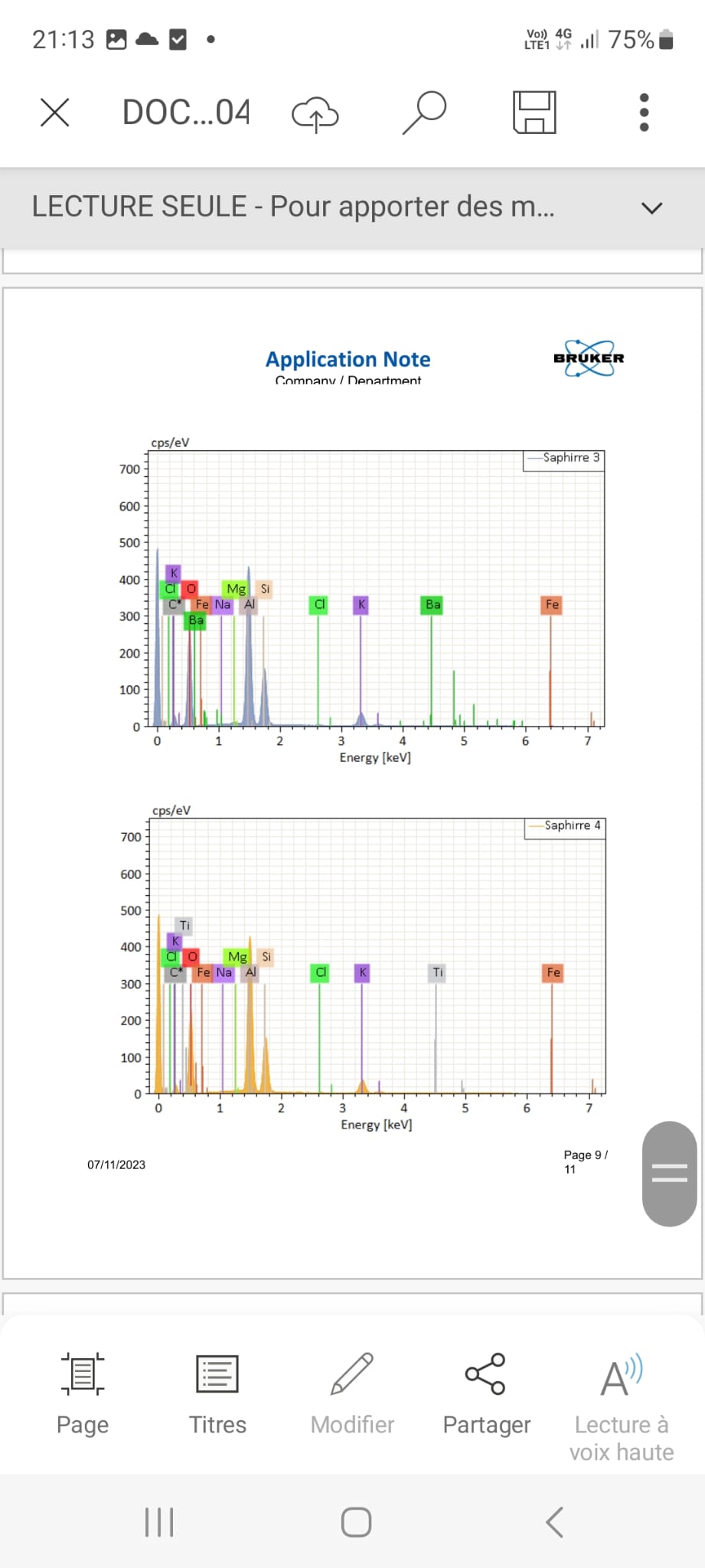
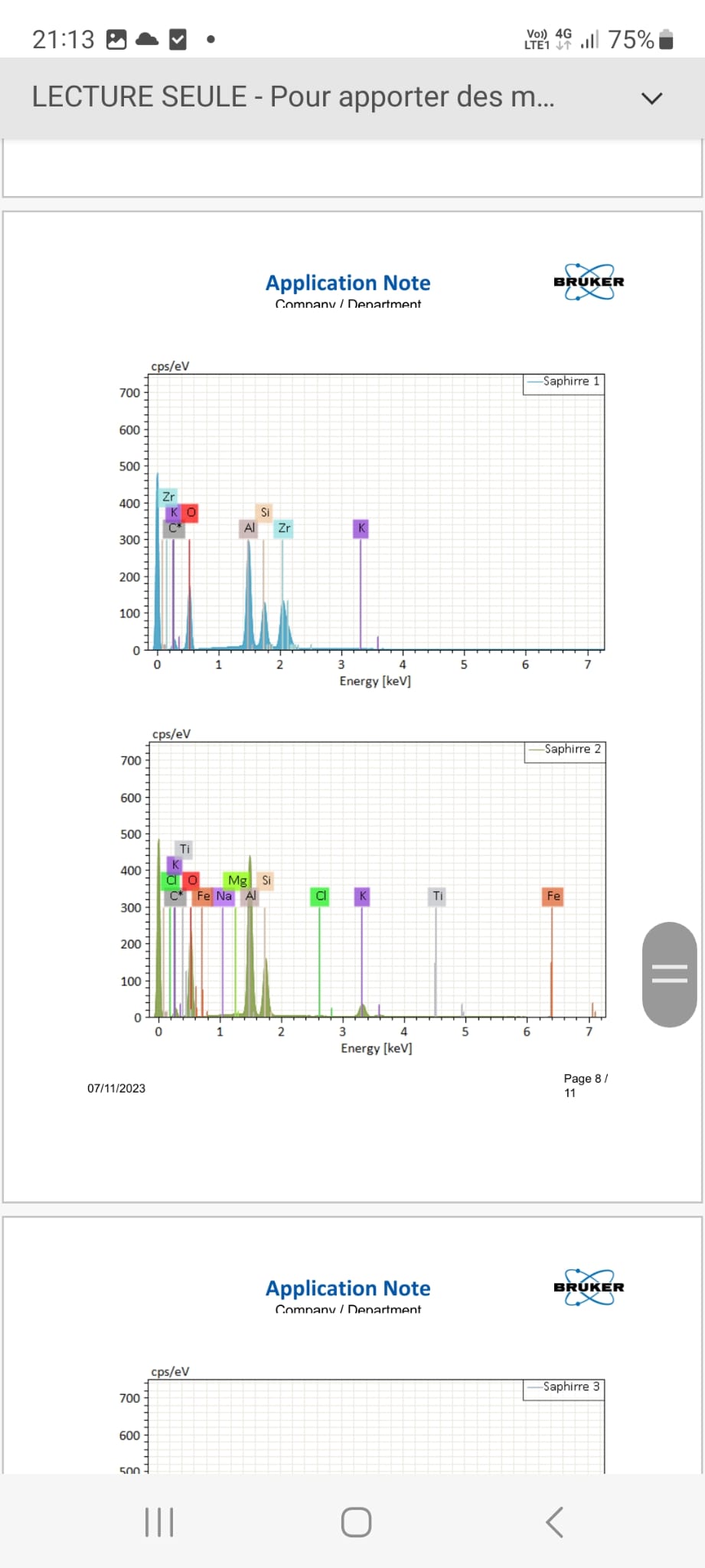
  • Main phase: Analyses confirm the presence of corundum with stoichiometry ~Al₂O₃, with traces of Ti, Ca, K, and Mg in some areas (Image 1 spectra 1 & 5; Image 2 spectra 1 & 2; Image 3 spectrum 6), consistent with sapphire.

  • Inclusions: Very rare automorphic zircons were detected as inclusions in the main phase (Image 3 spectrum 1).

  • Fracture filling: Filling of numerous fractures/joints in 3 distinct phases seems likely:

    • A = Growth of a calcic-sodic phyllosilicate (micas) automorphic with traces of Mg (Image 1 spectra 3).

    • B = Overgrowth of a second potassic phyllosilicate phase (traces of Fe, Ba, sometimes V) (Image 1 spectra 2 and Image 3 spectra 2, 3, 4) completely filling some fractures and partially others (see mosaic 2).

    • C = Total filling of porosity by a xenomorphic aluminum oxide which does not respect the stoichiometry of corundum (~AlO₂) (Image 1 spectrum 4; Image 2 spectrum 3; Image 3 spectrum 5).
1 Like

Bonjour Kadda,

Ce travail est passionnant ! Le spĂ©cimen dĂ©passe manifestement le cadre de l’étude gemmologique. Merci d’avoir publiĂ© les donnĂ©es et les images des Ă©tapes de rĂ©alisation.

La prĂ©sence de corindon blanc ou noble indique une teneur rĂ©duite en oligo-Ă©lĂ©ments, avec une granulomĂ©trie microcristalline ultrafine d’alumine pure. Si l’on identifie du corindon noble, est-il possible qu’une partie de l’éclat optique observĂ© ne soit pas due Ă  la prĂ©sence de mica, mais Ă  des poches de corindon noble ? Cela pourrait expliquer pourquoi une partie de la cristallisation issue de la fusion Ă©tait plus homogĂšne, sans que la teneur en minĂ©raux soit diffĂ©rente. Cela pourrait Ă©galement expliquer la duretĂ© apparemment identique des deux matĂ©riaux que vous avez mentionnĂ©s prĂ©cĂ©demment.

Hi Kadda,

This work is exciting to see! The specimen is obviously beyond gemological study. Thank you for posting the data and the images of the steps being taken.

The presence of white or noble corundum indicates diminished trace element content with a ultrafine microcrystalline granularity of pure alumina. If noble corundum is being identified, is it possible some of the optical sheen being observed is not from the presence of mica but from pockets of the noble corundum? This could explain how some of the crystallization from the melt was more homogenous, without involving different mineral content. It could also explain the seemingly same hardness in the two materials you had commented on earlier.

Salute!

Troy

2 Likes