Hi,can a verneuli synthetic ruby be certified unheated and untreated …and what are the chances of it being 16 carats eye clean and vernueli unheated untreated gemstone.came across a ruby with a certificate stating so …
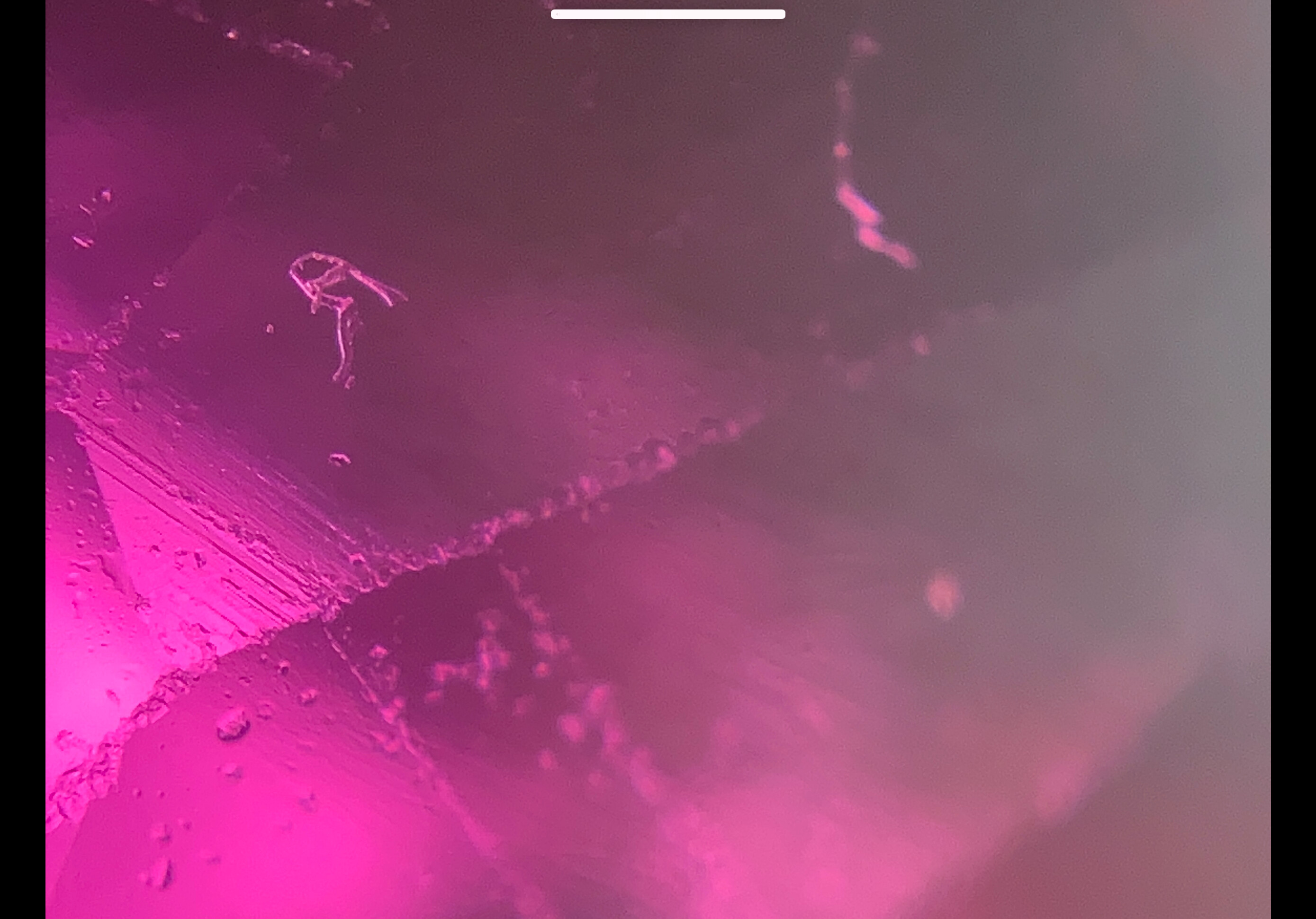
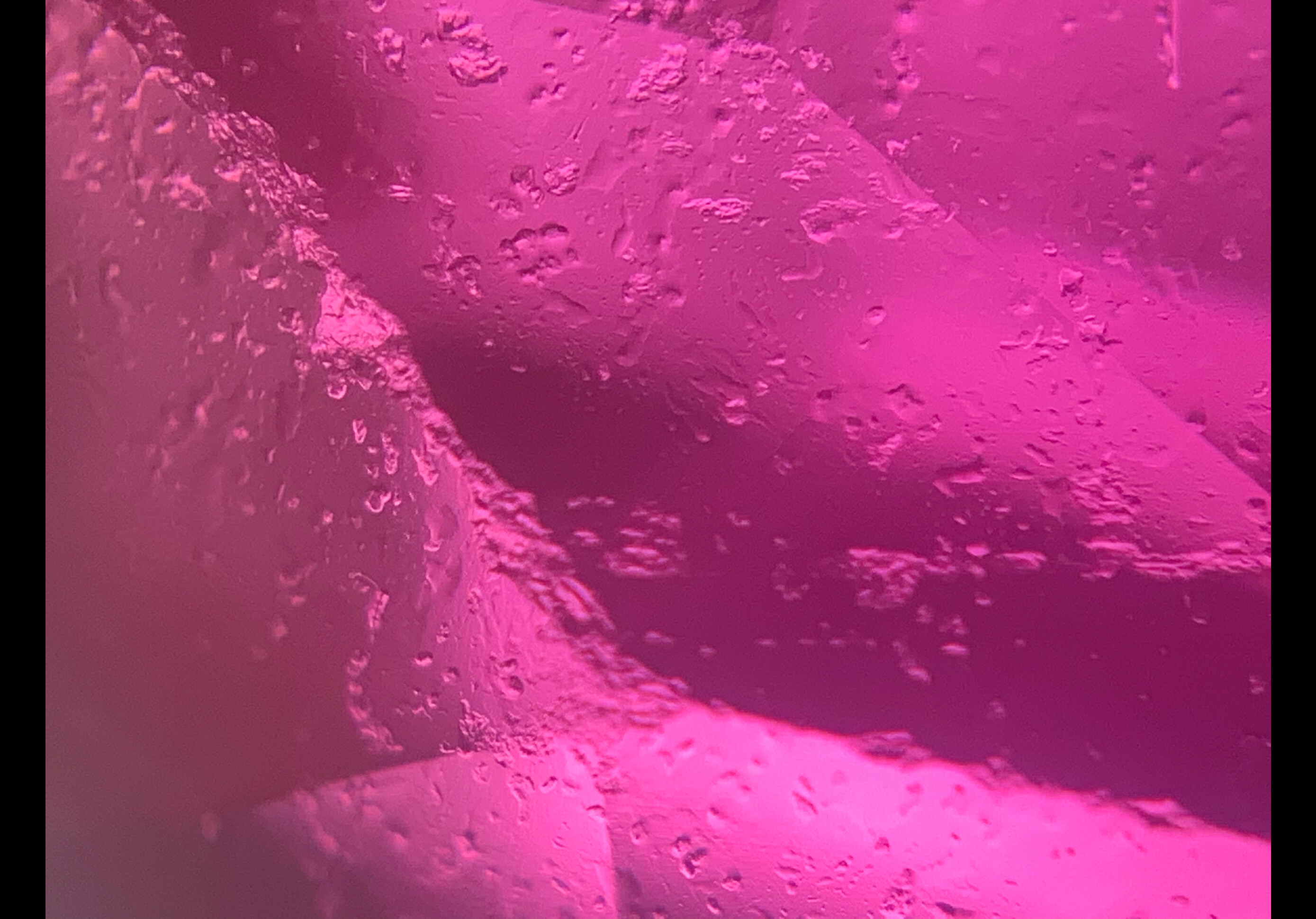
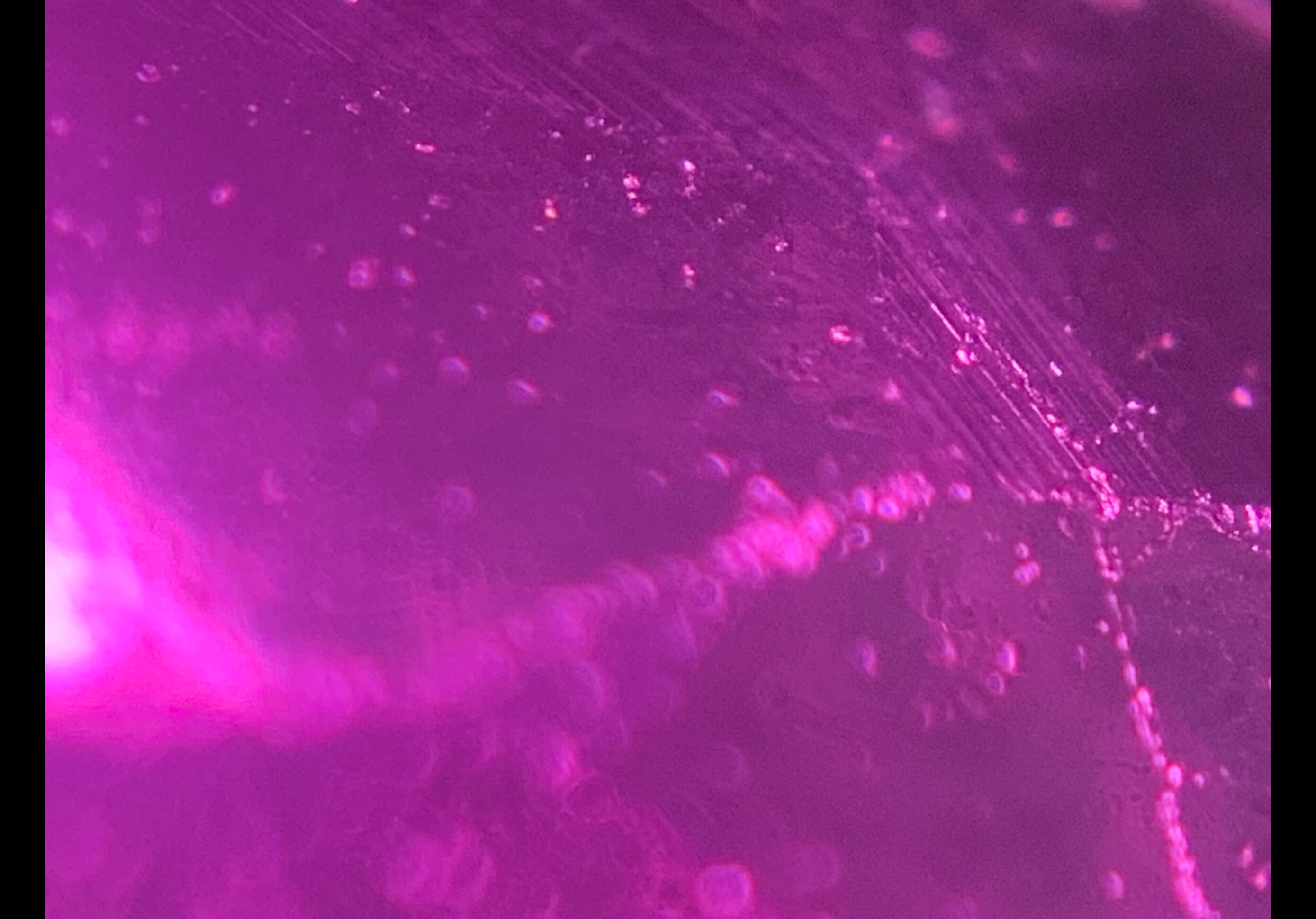
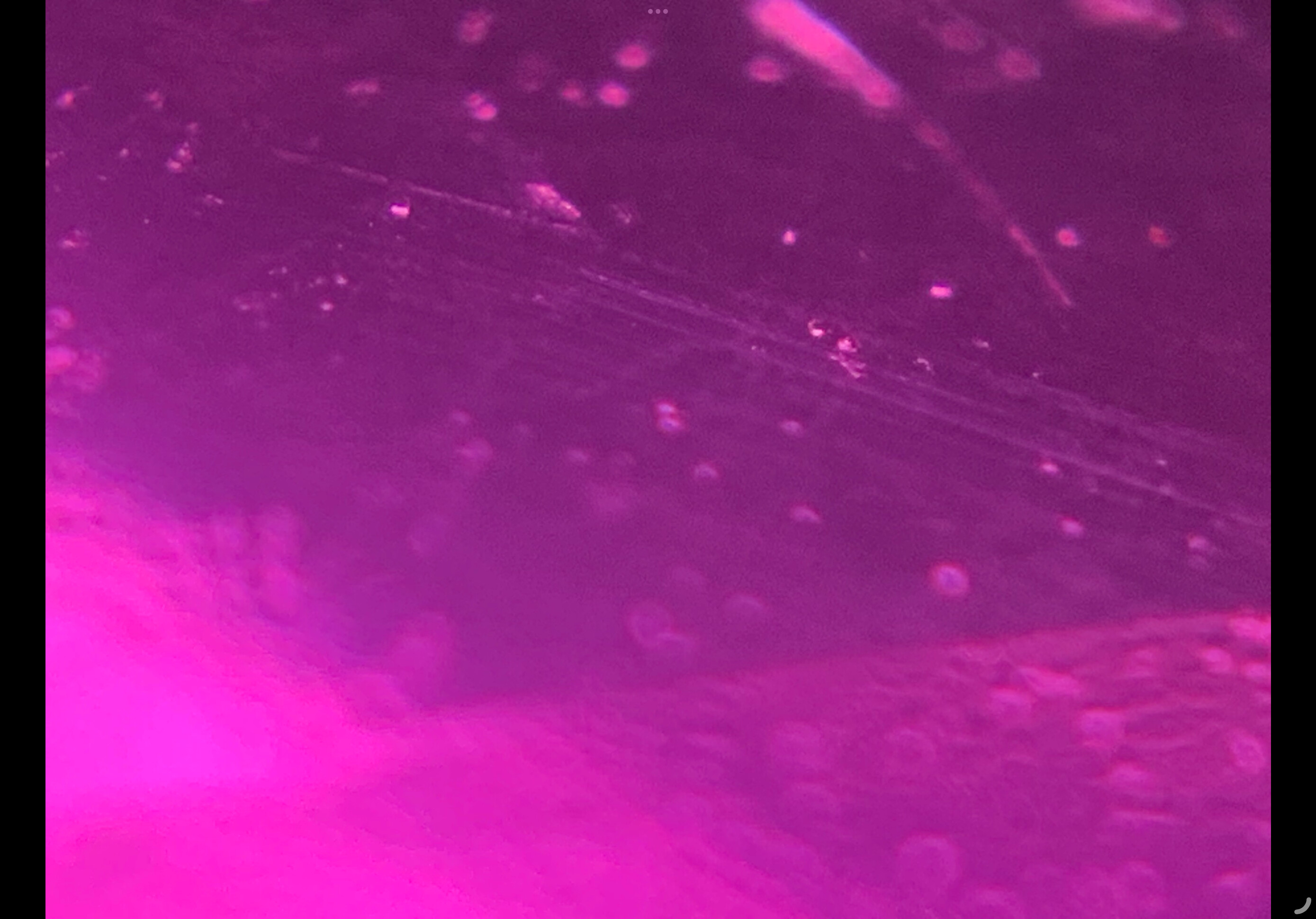
hello just wondering what are those lines seen and the inclusions seen in this ruby.
Hi Nirmala,
Welcome to the forum! According to the GIA, lab-created corundum can receive additional heat-treatments to improve clarity.
See this article: https://www.gia.edu/doc/Heat-Treating-Ruby-and-Sapphire.pdf. The author does comment that some of these additional heat treatments may not leave indicators or evidence. Given that information, I am not sure how the certification can claim the stone as “untreated”.
In the image IMG_4273, it seems there are polish lines present on two of the facet surfaces. It is difficult to verify that with the view angle. You can determine if the lines are on the surface by using a reflected light source on the facet. Surface features will show up as dark lines or blemishes.
The other three images do show bubble-like inclusions and what looks like healed flux-filled and some silk inclusions, typically associated with lab-grown material.
Images of inclusions in lab-grown Ruby at Lotus
The lines are called drag lines, created during the polishing process. As a synthetic, a fine polish is not always a priority. The inclusions are likely bits of aluminum oxide that survived the melt process. These little bits of AlO may have also contributed to the drag lines.
As for “certifying” any synthetic ruby (or any other synthetic) as untreated or unheated is absurd, and a blatant misrepresentation of the nature of the stone. A marketing attempt at creating added value. A written report or statement should simply state SYNTHETIC, as clearly as possible.
The growth process involves very high heat, and any report stating unheated is not even worth the paper it is written on.
5 Likes
Thank you for your reply .will try taking better pictures.im a bit confused about bubbles.They are supposed to be round.What is elongated bubbles and is there any picture i can see .
Yes I found it so weird too.Its a reputed lab i have pictures of the report too but i think its not right to post it…Saw another report of theirs on catawiki for a 12 carat pretty opaque ruby and on the certificate it was given eye clean…A 12 carat himalayan ruby eye clean of excellent color is worth much more than the prices quoted…But its dissapointing and scary seeing such a big lab giving such reports…can we really trust these labs now…its best we educate ourselves.
Why is it “not right” to post a suspected fraudulent certificate? There is SO much greed and corruption out there nowadays. When it is spotted, it needs to be pointed out. If this so-called “reputed lab” is putting out incorrect “certification reports”. People NEED to know to be warry of them. We are the only protection we have against lairs and cheats.
2 Likes
Well ur right but im a buyer of the stones i dont own the certificate or the stone .Came across it…The report confused me …I had to clarify …hence did…
That type is the cheapest type of synthetic ruby and can’t be certified as a natural ruby ever. It is a ruby but a very inexpensive synthetic red corundum or ruby
I think it is perfectly fine to point out a possibility of a certification being worthless unless the lab or person certifying it is known to be reputable. Any jewelry store can issue an inflated appraisal and ‘certification’ but unless a reputable appraiser, they are basically worthless.
Growth lines in the formation of the synthetic ruby
Is there a top 10 or 15 list of credible Certifiers and Appraisers out there? Like you said. Anyone can say “this stone is such and such, and is from such and such, and is worth this amount”. And all we have to go on is their word and how they are rated in the reviews. Amateurs Like myself do not know who to trust on the valuing of their collection items.
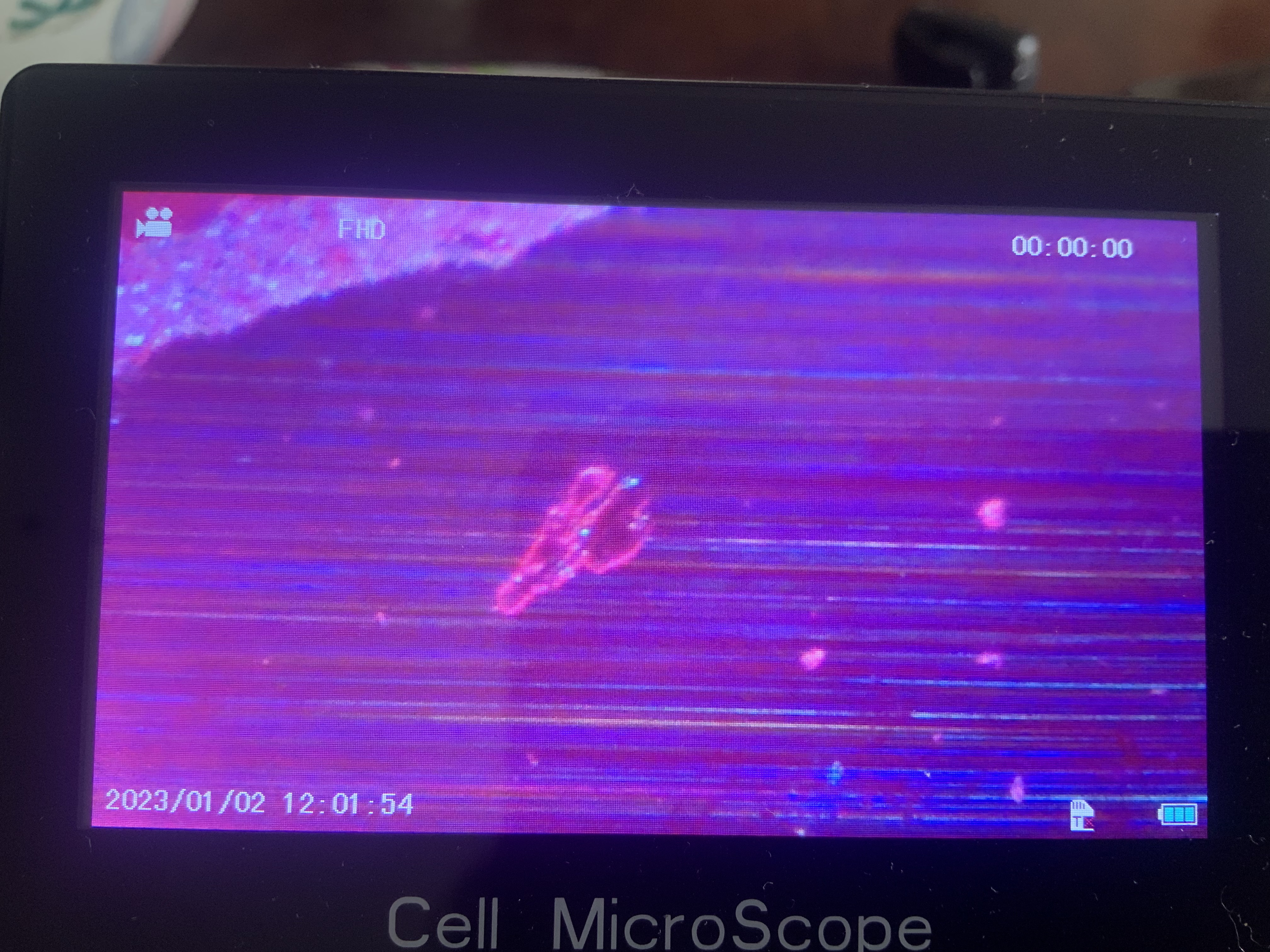
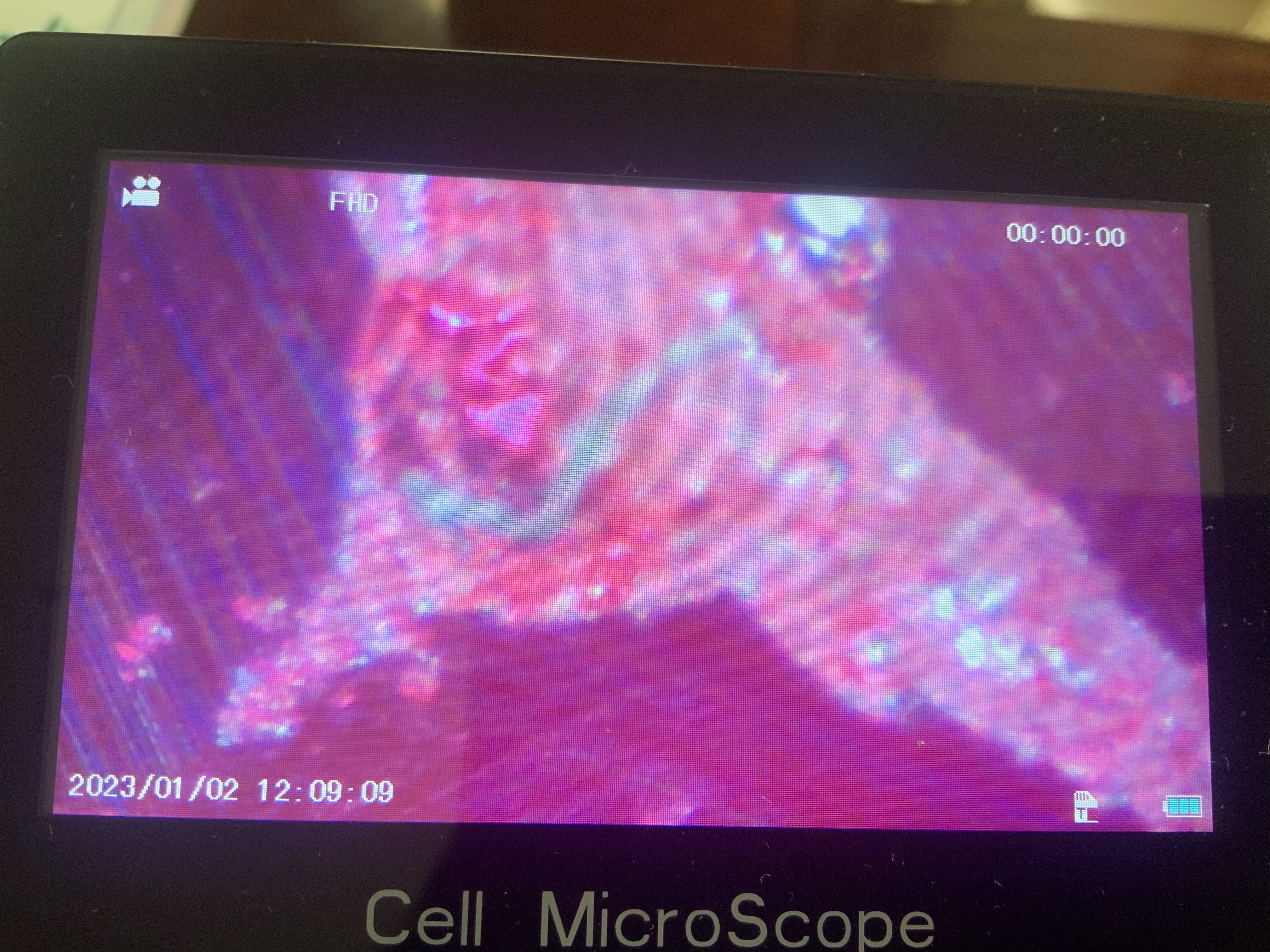
Hi Nirmala,
It is difficult to see anything that looks like acicular (needles) crystals. What magnification did you use for these images?
Some of the features look to be on or at the surface.
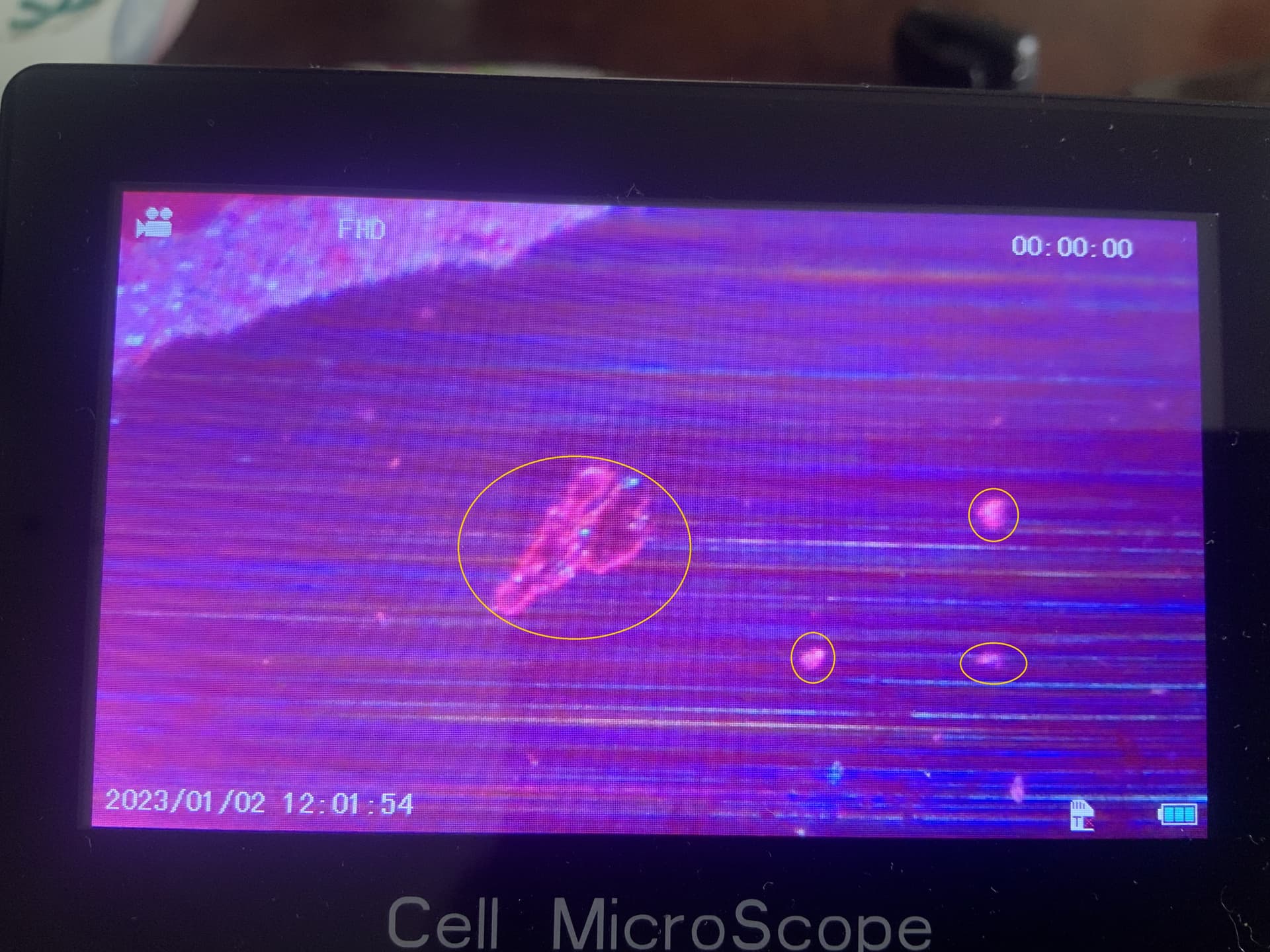
For example: In the first one, there seems to be particles on the surface (highlighted with yellow circles) because they are in front of the horizontal lines. The upper left portion looks like part of the girdle and adjoining facet. (Apologize for the reproduction of your image, which unfortunately added a video resolution artifact).
I am not sure about the second one. It doesn’t seem to be focused at any specific feature.
The third image looks to be focused on a chipped portion of a facet meet point. I can see what looks to be some of the polish lines intersecting the facet edges.
Are these images of the same stone you posted earlier?
Cheers!
Troy
dHi thanks for the reply …All different stones…just trying to learn…Bought some stones online .They come with certs but not sealed…One blue stone which is supposed to be a sapphire,under uv light glows red…its too confusing…i suspect it to be a synthetic…
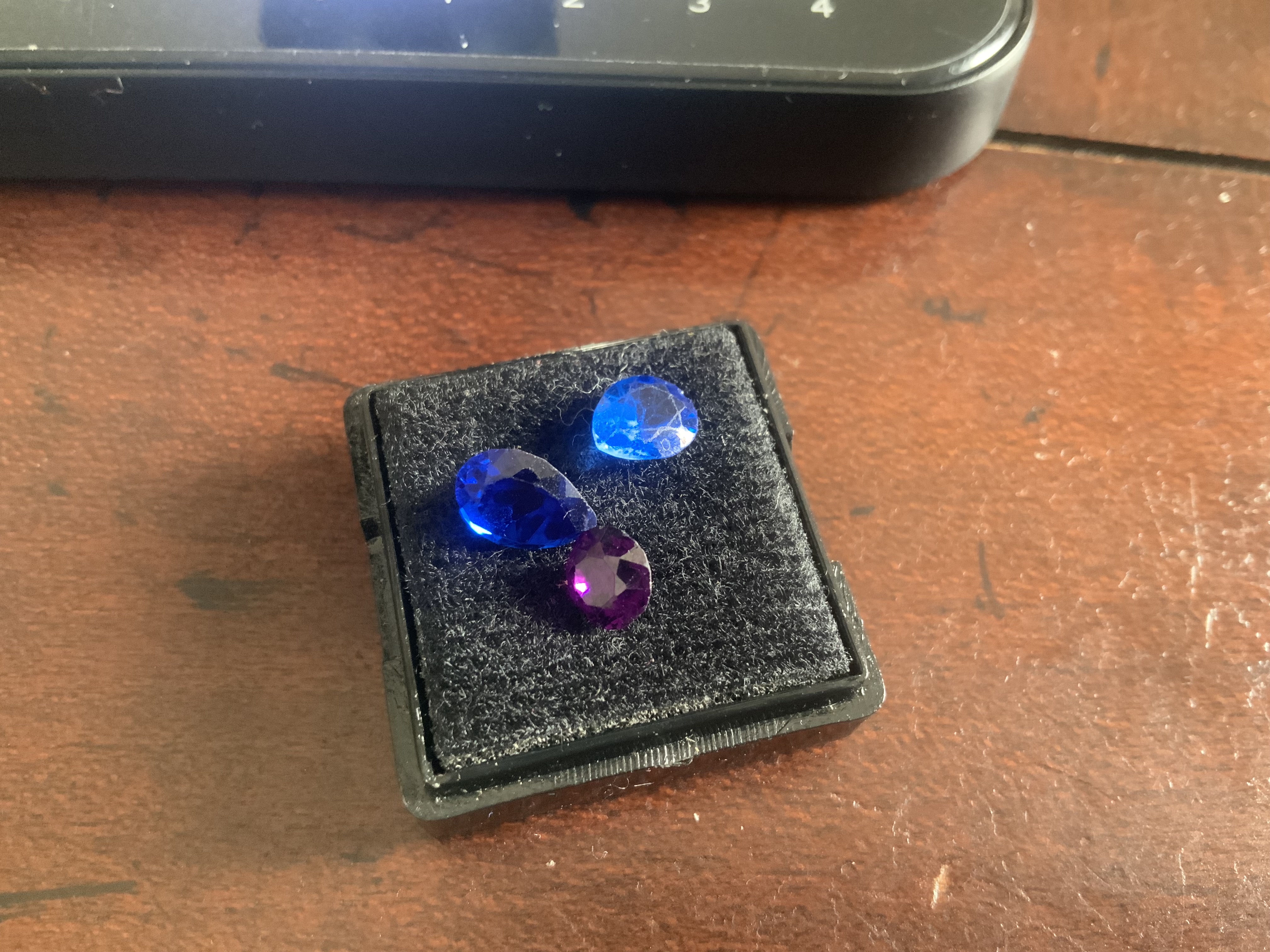
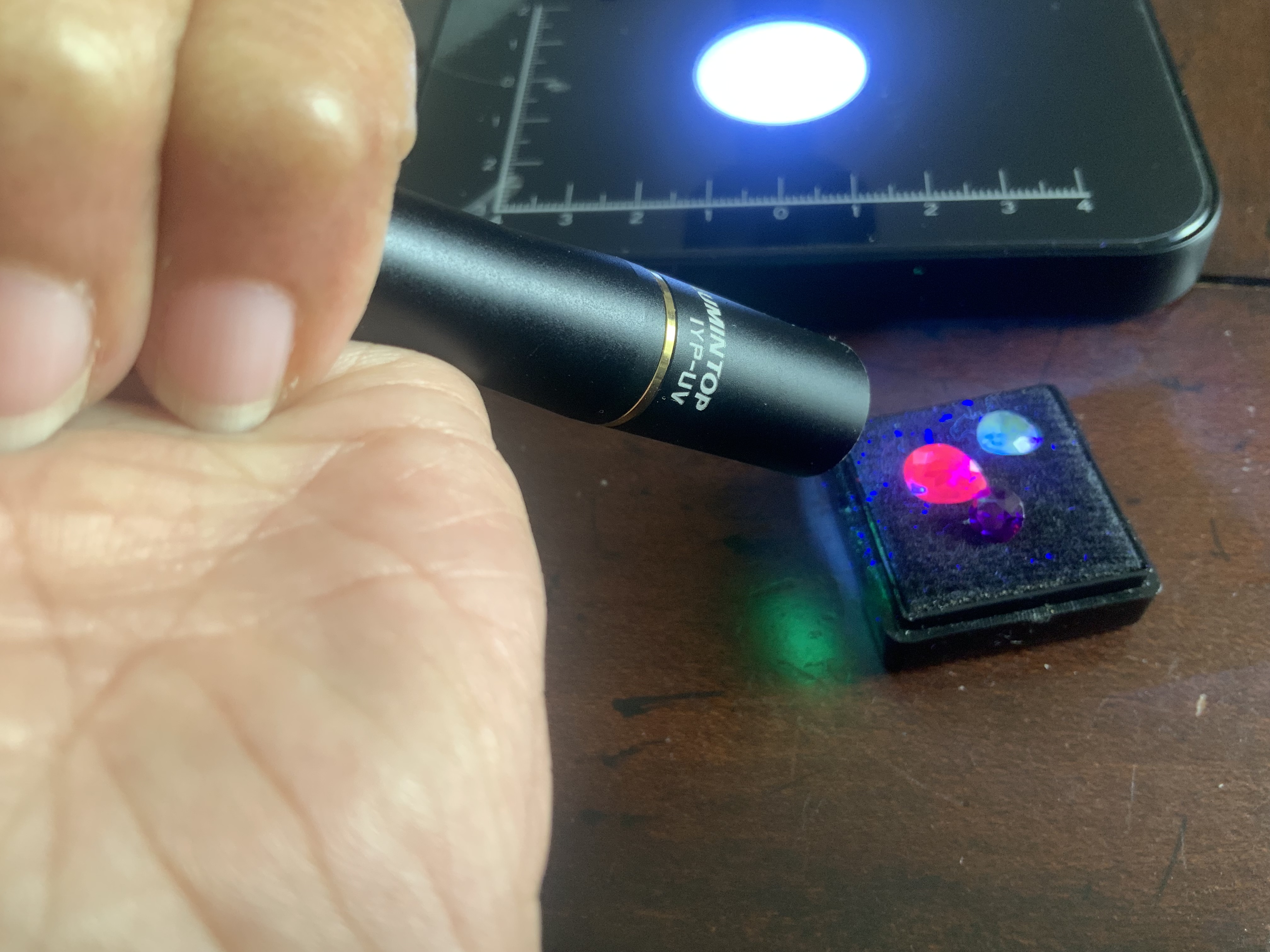
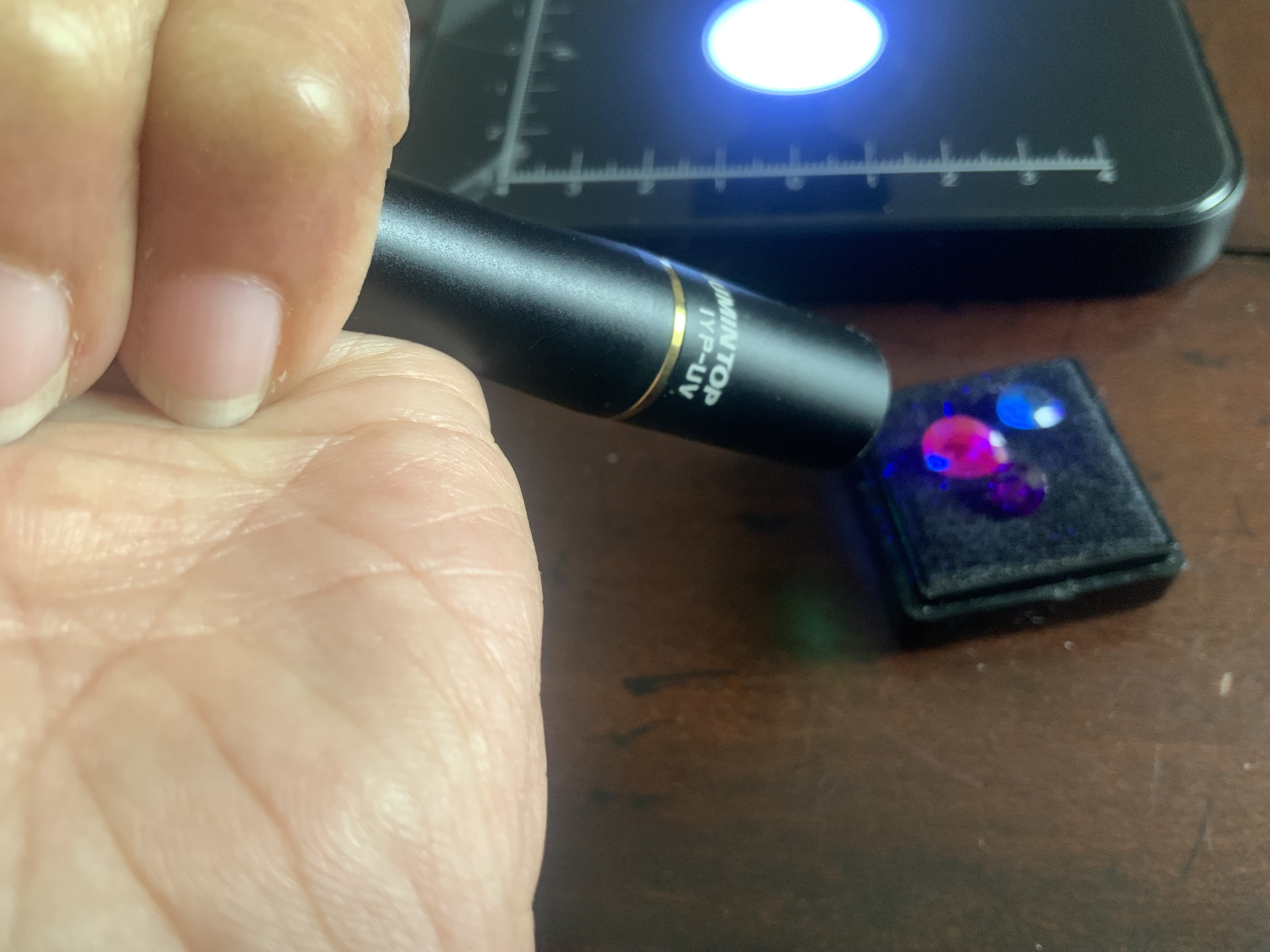
Hi just saw you question about verneuli synthetic/lab Ruby to be honest 16 eye clean ruby is possible that’s why we use Gem microscopes , to view curved lines known bubbles, etc, also if you have a gem laboratory report, which is not one of the recognised Labs, Gubelin, GIA, then its a red flag time Synthetic rubies are created by heat and only the natural would be indicated as treated most flame fusion ruby can slowly heated to create internal structure inclusions
1 Like
hi,thanx for your reply.the stone had a lotus report which said unheated untreated flame fusion.I thought was pretty wierd.
curved lines of bubbles are characteristic of verneuil stones. some can elongate in the direction of rotation of the boule, if created too quickly, with incomplete melting. Prolonged annealing will blur curved growth lines, partially dissolve unmelted alumina, but will not affect bubbles. “finger print” inclusions in flame fusion stones are artificially created by quenching and inducing fractures which are then healed by fluxing and annealing. These finger print inclusions are meant to decieve. They can be distinguished from natural by the off color flux. The structure is also much coarser. The article posted by Troy is a very good.summary for synthetics. The first synthetic sapphires introduced by Linde were star sapphires created by the addition of titanium oxide. Clear verneuil rubies will not have added titantium, and hence no rutile needle inclusions. I would bet that these synthetics underwent prolonged high temperature annealing to better imitate natural. Unreputable certificates and outright fake certificates have become just as large a problem as differentiating natural from synthetic. as synthetics become more sophisticate so does certificate forgery. High value small objects like gemstones can be smuggled far more easily than gold or cash. Drug cartels in South America are trying muscle into the gem trade business. Emerald cartels have been more than powerful enough to resist them effectively. To return to your question about “unheated”, that is a misnomer. It should not even have been included in the description or certificate. The process itself is a high temperature process so being “unheated” is a tautology. You can accept the stones as synthetic and pay the lowest price that they worth…less than synthetic flux fusion and far less than hydrothermal.