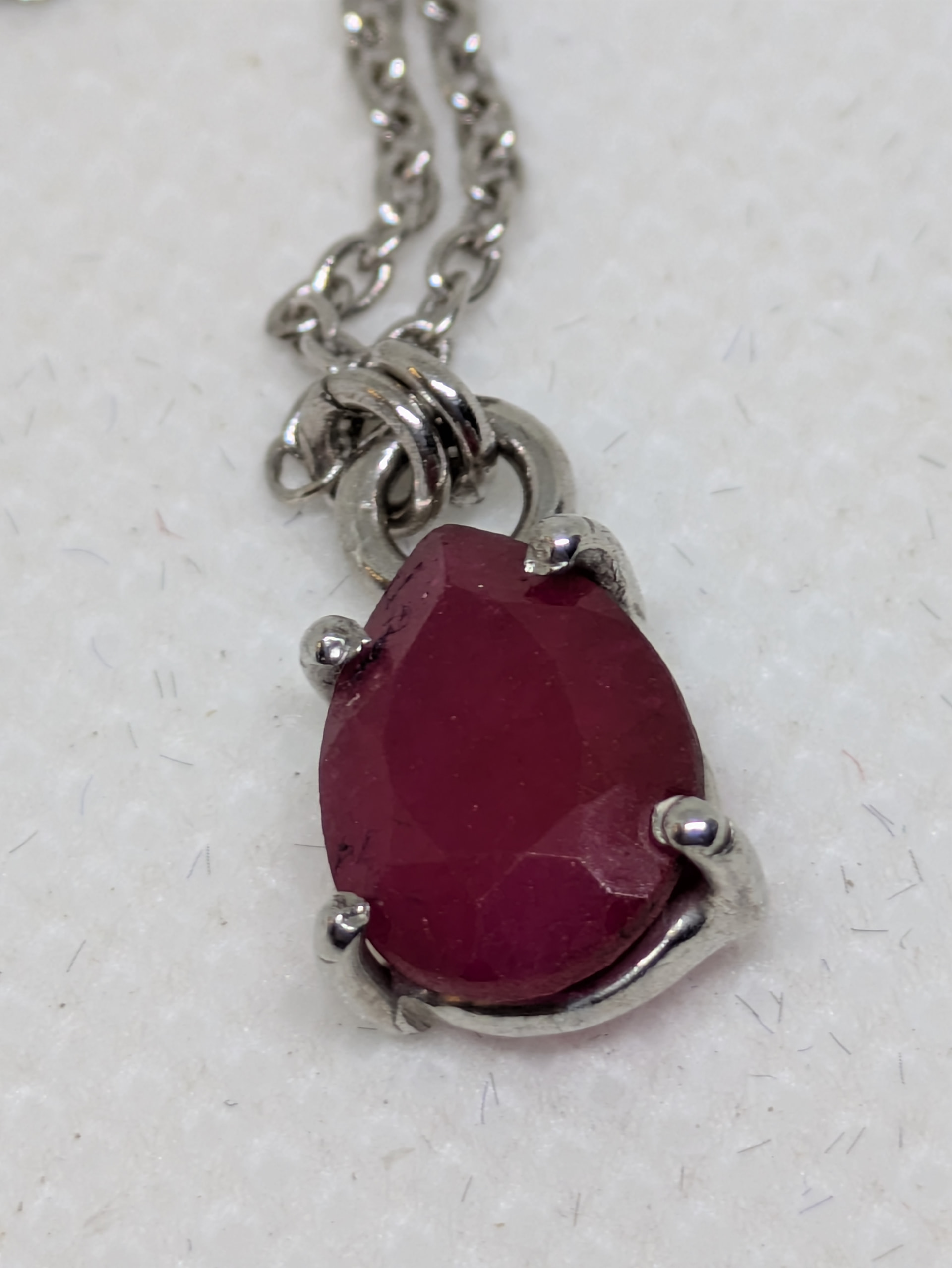
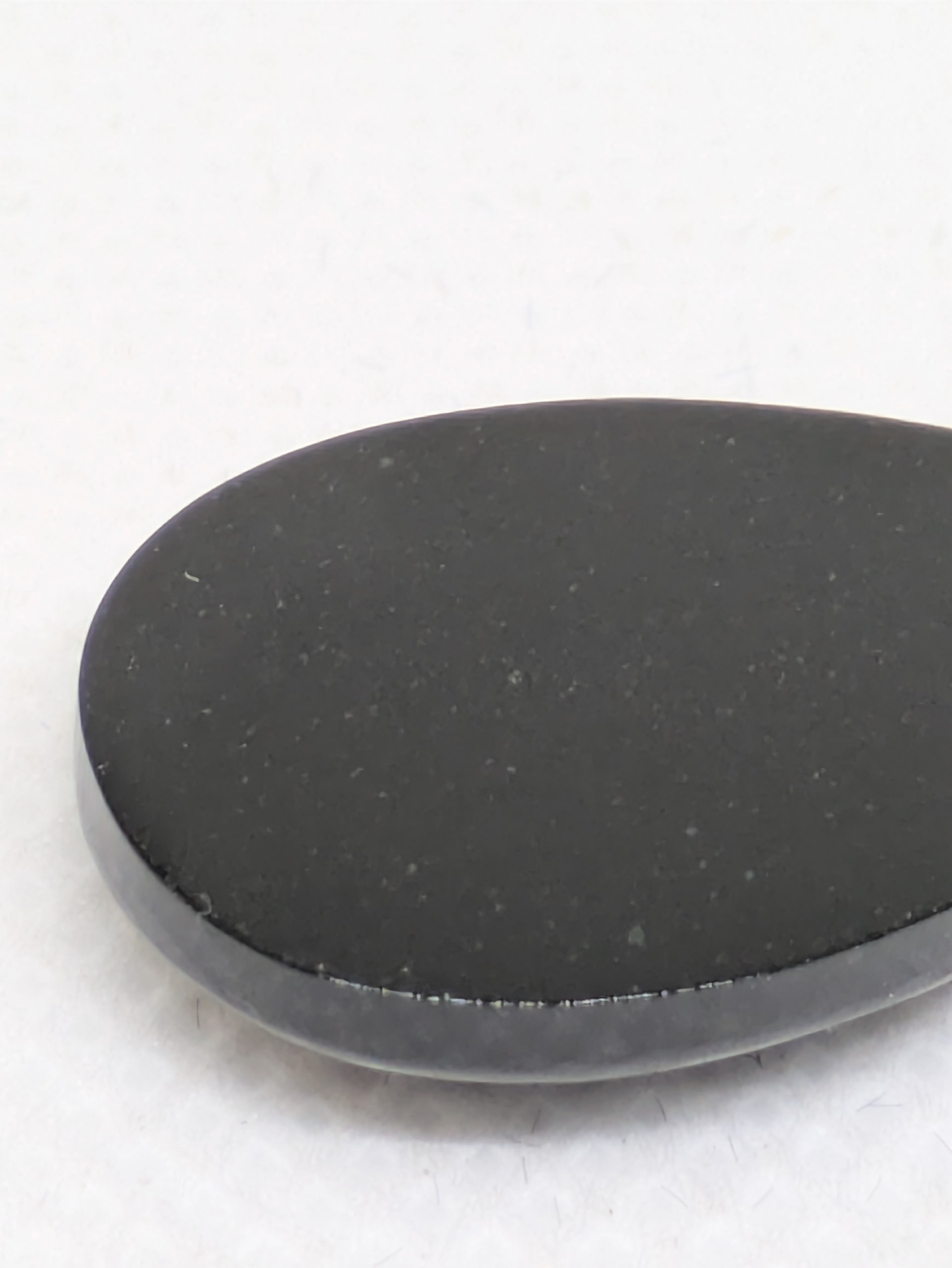
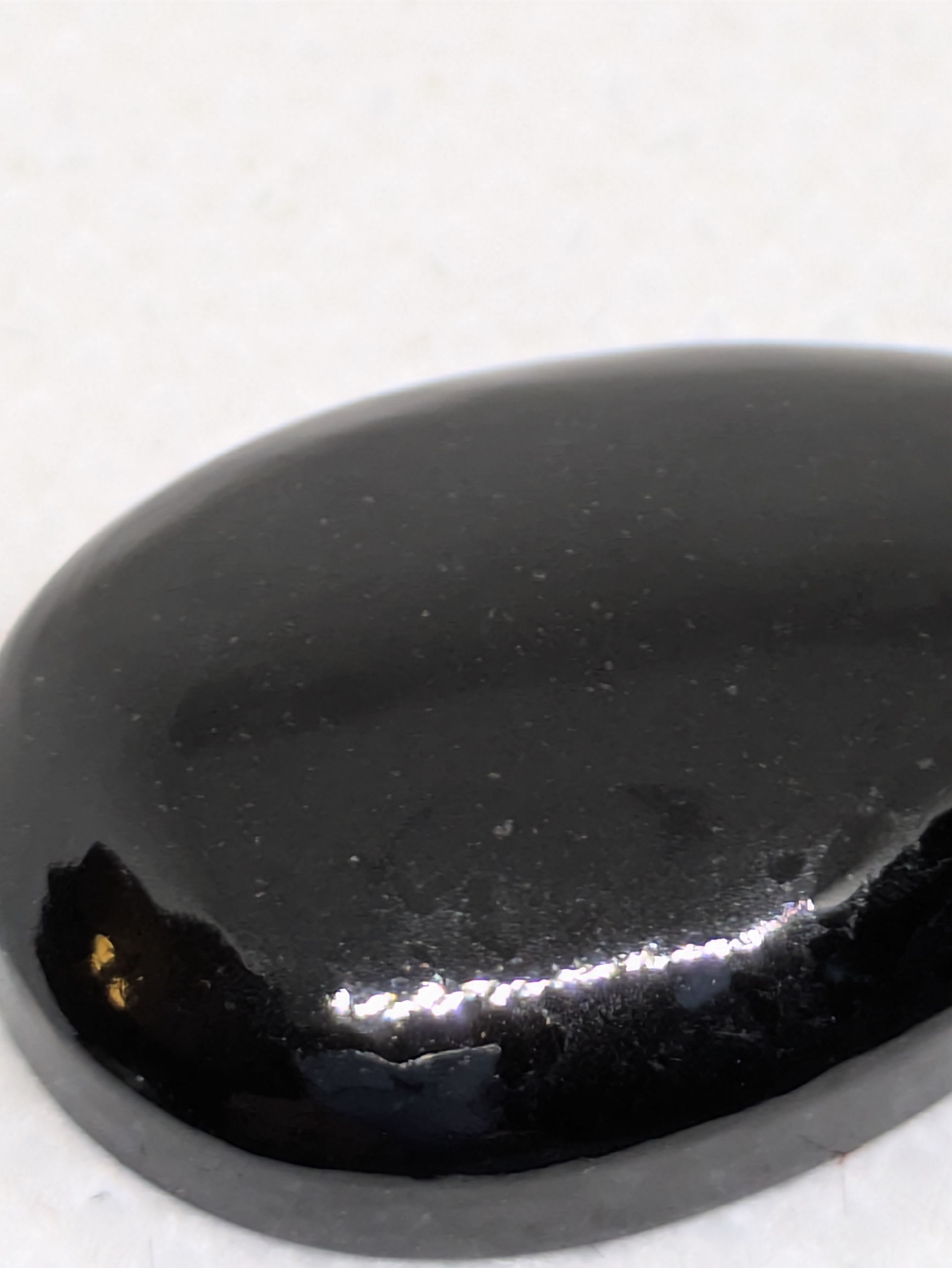
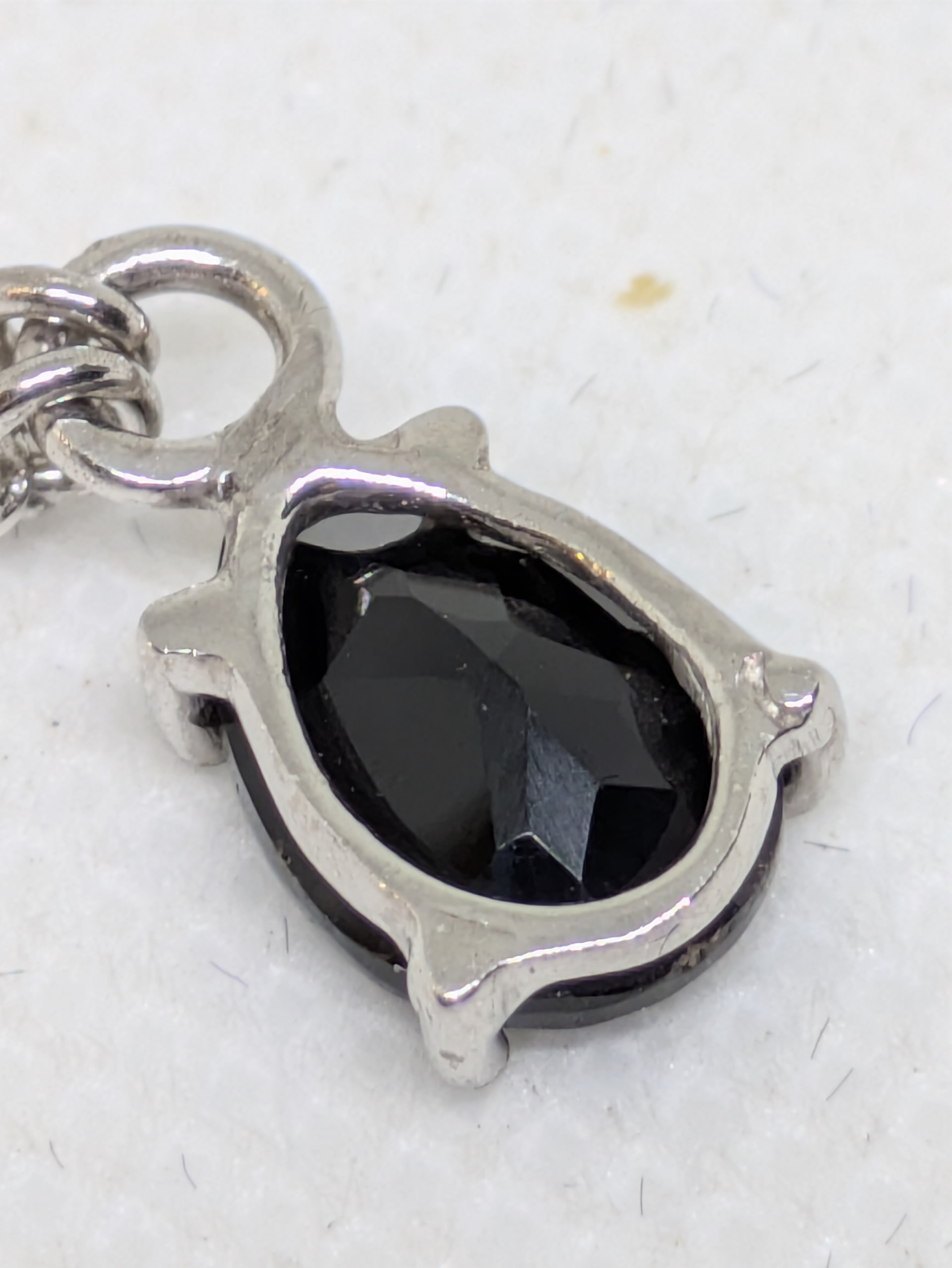
I purchased two stones from Ishu Gems (Jaipur, India):
-
A black faceted stone sold as natural Jet
-
A red stone sold as natural ruby corundum
I would appreciate expert input on two points:
(A) Jet identification
-
My observations: The stone is faceted with bright, crisp reflections, a mirror‑like, glassy shine, It feels cold, not warm and is heavy, not lightweight like fossilized wood
My understanding is that Jet: has a velvety, matte-to-satin sheen, is soft (Mohs ~2.5–4), warm to the touch, lightweight because it is fossilized wood, cannot be faceted and cannot take a high-gloss, glassy polish
Based on these properties, the stone appears more like black glass, obsidian, black onyx, or hemalyke (synthetic hematite). Can Jet ever appear like this under any circumstances?
(B) “Ruby” corundum
The seller describes the red stone only as “natural ruby corundum from Australia”
They do not mention treatment, and it lacks rutile silk, internal inclusions, zoning, natural imperfections and the internal glow typical of corundum. It looks more like lab-created synthetic spinel or possibly glass-filled material. Is the seller’s description acceptable under gem‑trade disclosure standards?
They offer no certificates, and base themselves “by reputation”. Thank you for any guidance. I want to make sure I’m evaluating these stones correctly and following proper gemological standards and FTC rules.
Hi Ginger,
It is incredibly difficult to analyze a stone with images only. The observations you listed are good data points but without some standard gemology diagnostics, narrowing down the possible species is challenging.
You mentioned the red stone did not display internal glow. Does that imply you placed the stone under a UV lamp?
The stone seems opaque. I personally haven’t seen opaqe lab-grown spinel. Typically they are very transparent. I believe glass-fill treatment is done to stabilize and improve the clarity of a stone
Ruby glass filled or natural. This topic has some good links to review.
Without some diagnostic data its difficult to determine.
‐-------------
Post Correction
Apologies! My original reply was sent from my mobile. The last image in your post was actually of the red stone and not the black stone. Didn’t make that connection until reviewing the post on an actual monitor vs phone screen.
For the black stone. If it is indeed, Jet, the SG should be around 1.25 -1.33 and an RI will show a shadow line around 1.66.
Do you see any light coming through the stone?
You could do a salt-water test similar to what is used to filter out most plastics from natural amber. Here is a forun topic on that:
Is this a natural amber
Don’t recommend any destructive test like a hot point test or hardness probe.
‐-------------
Can you un-mount the red stone to do some tests like SG and RI?
Cheers!
The black stone in the setting is one stone, the other two images are both sides of the cab I ordered for a project later. If you enlarge the red stone, you can see the cut at the top left corner. That is not Jet, nor is the red stone Ruby Corundum. I guess that’s what I get from ordering and taking the word from a company that offers no certifications. Anyway, thank you for your input. I am returning the items for refund.