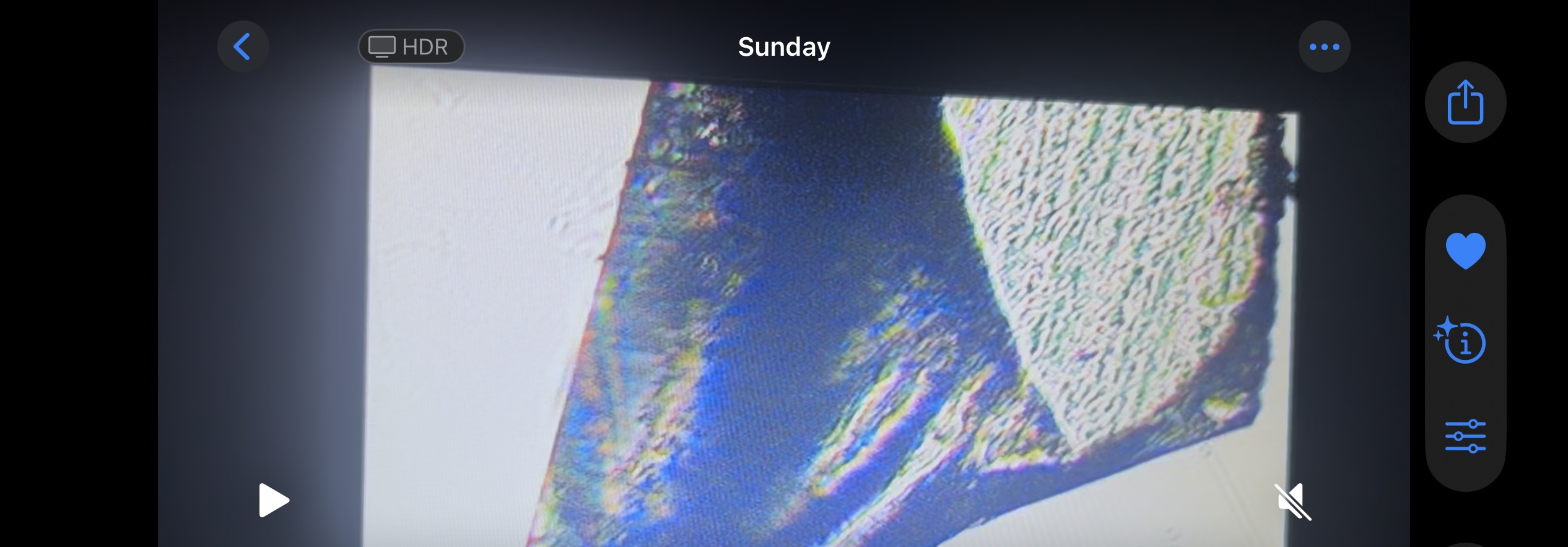
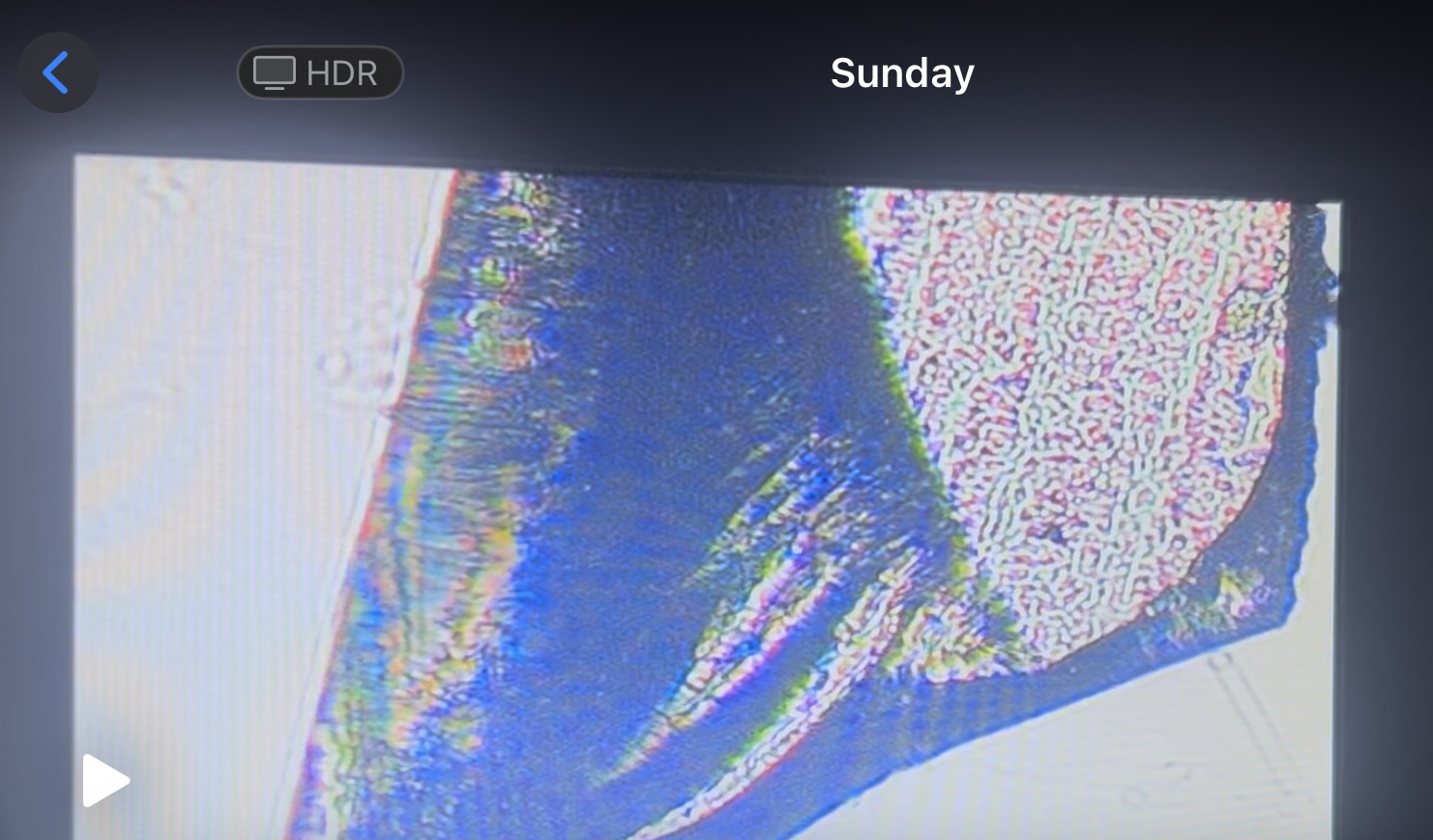
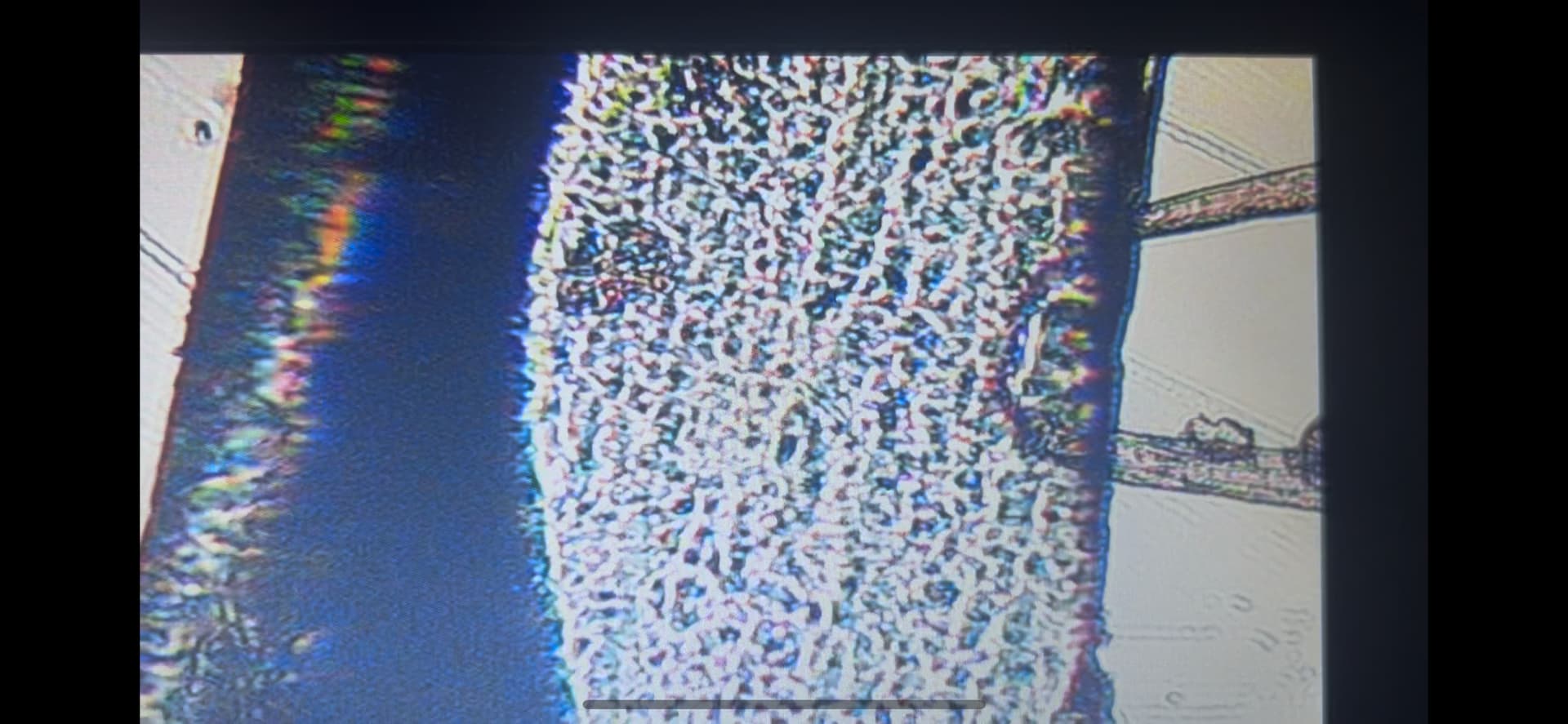
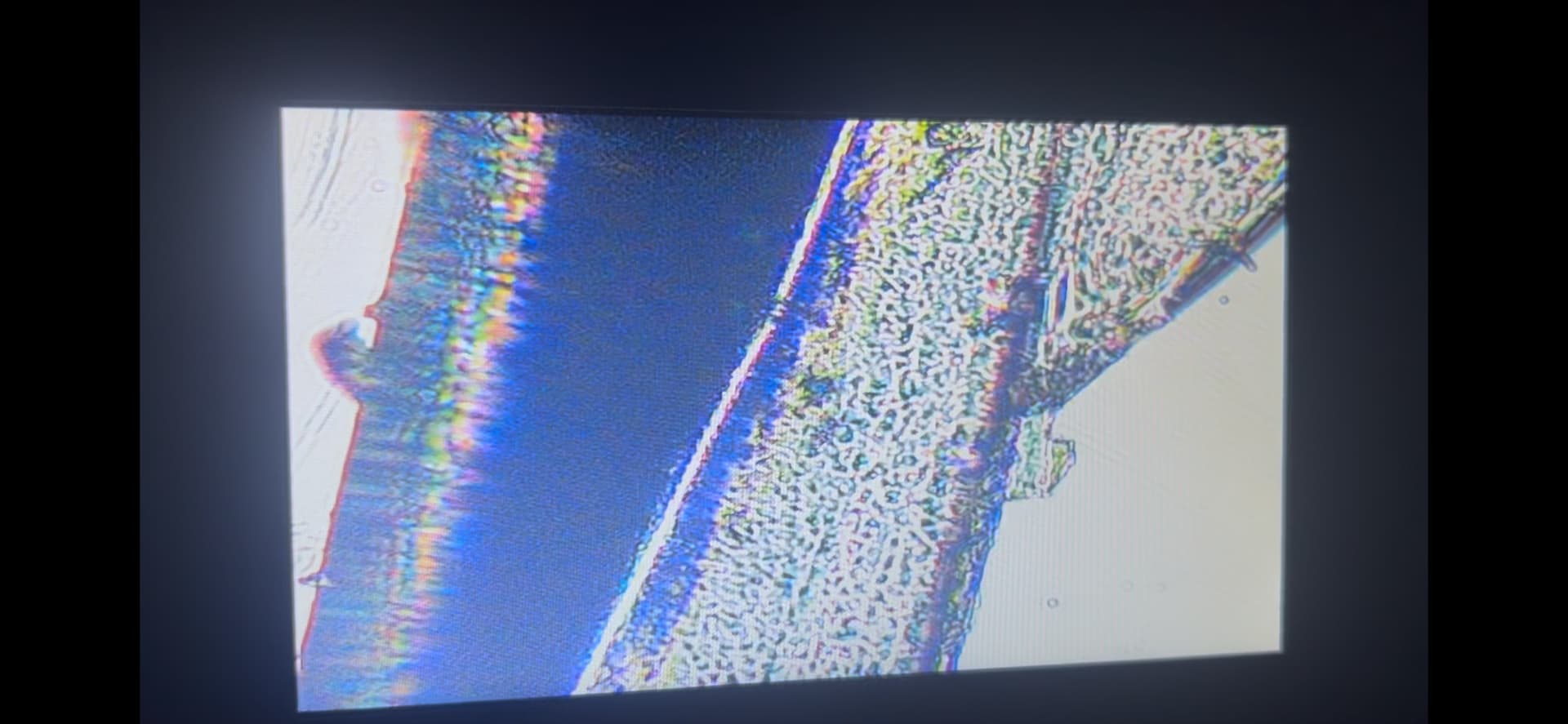
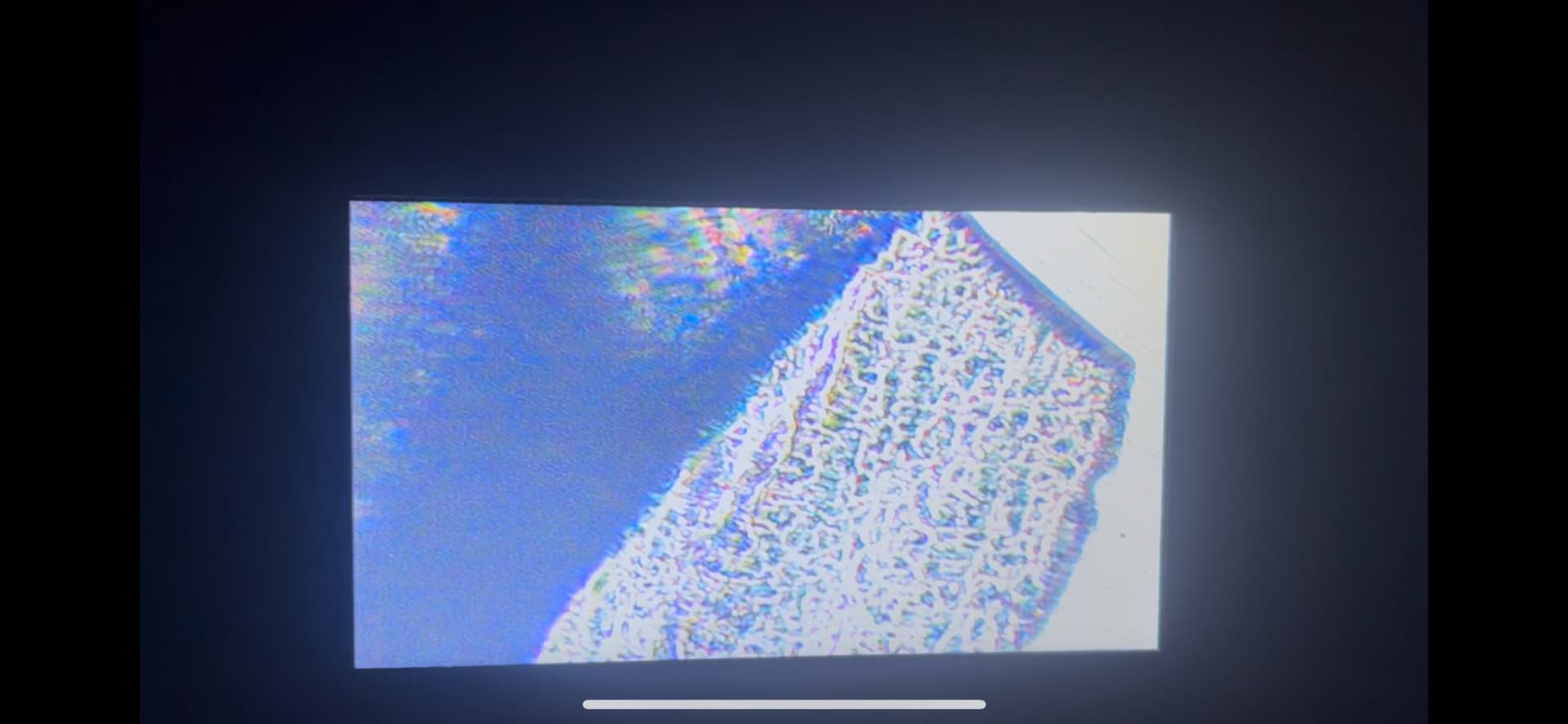
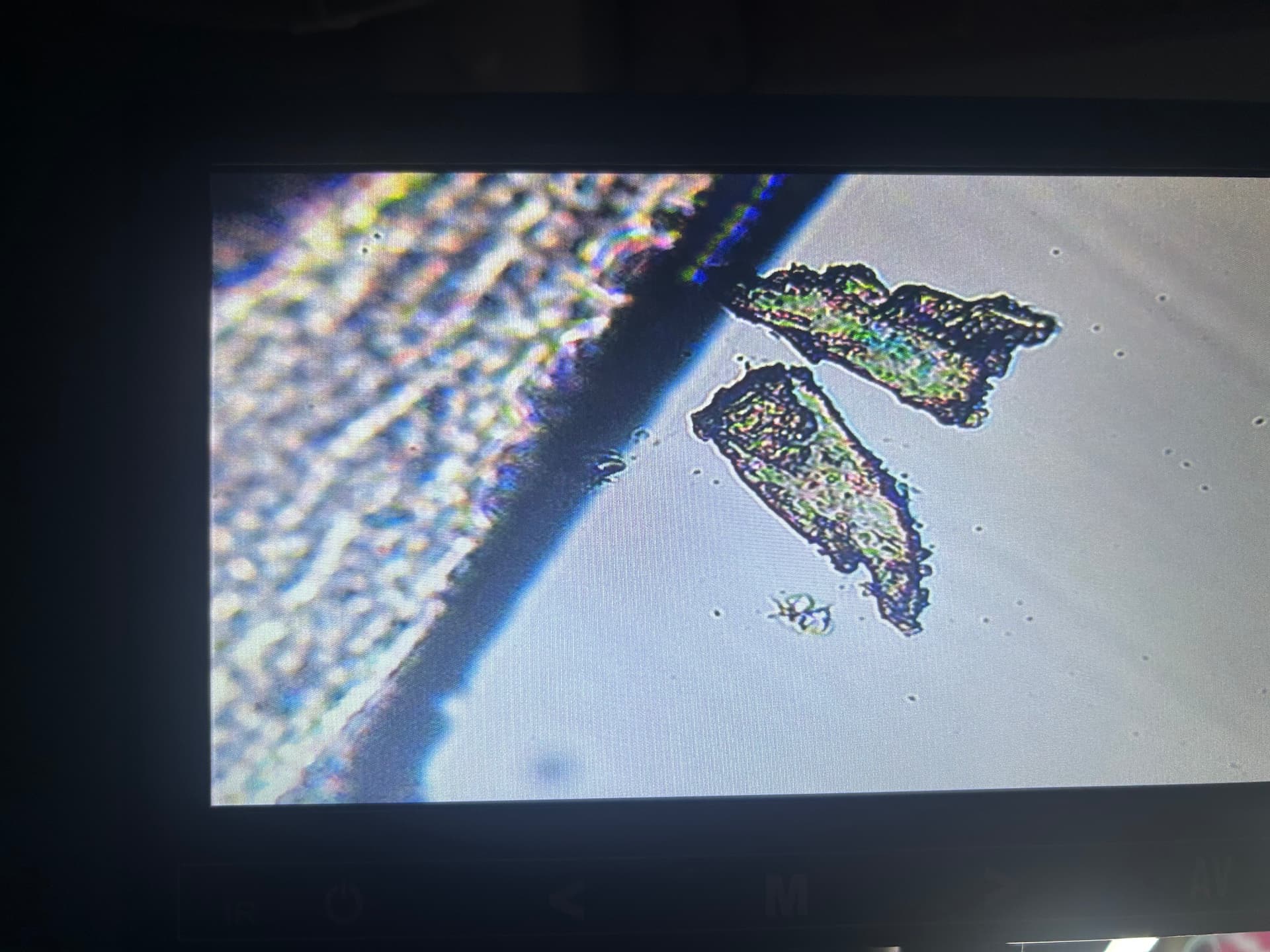
Hi there, Gem Family. I am asking for anyones help to see if they have seen anything like this before?
I am new to the group and just started the gem course. However this is not course related but my own project so here we go. I managed to scrape off some material I took off and looked at it through a microscope. Hopefully someone can recognise and possibly see what I think this is? Please can someone with fresh eyes and the experience, reply to me telling me what they think this could be? That would be amazing, thank you so much in advanced.
Hi Jay!
Welcome to the forum! The images are interesting but not sure what we are looking at. A few questions:
-
Type and model of the microscope?
-
What optical and/or digital magnification is being used?
-
What type of illumination? It looks like reflected light and if so, the sample seems to have a metallic/opaque surface. Is that, right?
-
What are the dimensions of the sample? To help provide perspective of the visible features.
I see some patterns in the lighter contrasted areas that visually looks like a rippled/linear textured surface. It is hard to distinguish from the shadowed (dark contrast) areas.
Another issue that may be distorting the features, is how much of the granularity in the image is being contributed from the phone camera used to capture the images on the monitor.
Can you save an image file directly from the microscope?
Thanks! Looking forward to hearing back from you. 
Cheers!
-Troy
Hi Troy,
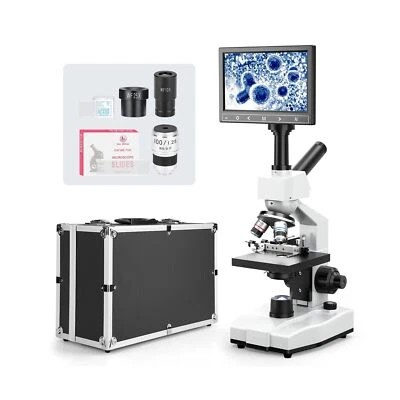
Thank you so much for your swift reply, the microscope is the Vabiooth Duel compound monocular, ( the one IGS recommended) X40- X2500 Magnification,
the size of the specimen is a spec of dust estimated less than 1/2 a millimetre,
yes reflected light indeed was used, I also think the same too it seems metallic I would say its more sort of transparent in my opinion, I agree with a textured surface indeed, the multi colours that you see seem to also turn and twist like a feather in a sapphire does when you move zoom in and out (fine tuning) I have a video too but I unable to upload this on here if that would help ?
would you know what the colours are ? and any other thoughts you may have please ?
thank you
Hi Jay,
Thanks for the information and the image of the subject.
Can you verify that this is the microscope you have or one very similar?
It’s not a huge issue, but the microscope you mentioned, is configured for flat-field planar analysis, usually using plate glass slides and thin-section samples.
Just want to make sure I understand what instrument you are working with, so I can help with analysis and microscope usability for gemology. The IGS professional gemology course suggests this microscope from here:
Cheers!
-Troy
Yes that’s correct I have this one indeed sorry I thought it was suggested by IGS your right I hope it will be okay for testing?
Jay,
Thanks for confirming the model. “Out of the box”, there are some limitations on what that microscope can do gemology-wise. A quick modification should be done so you can start working with gemstones and in my opinion, it will help tremendously for the courses and beyond.
Apologize for the long-winded dialog here:
First, the easy things:
A. Magnification capability exceeds what is typically required.
B. The microscope can do reflected and some transmitted light observations.
C. The under-stage condenser will help with bright field observations.
D. The course and fine focus adjustments will definitely be useful.
E. The instrument is portable, especially if it came with the travel case.
…the challenging things:
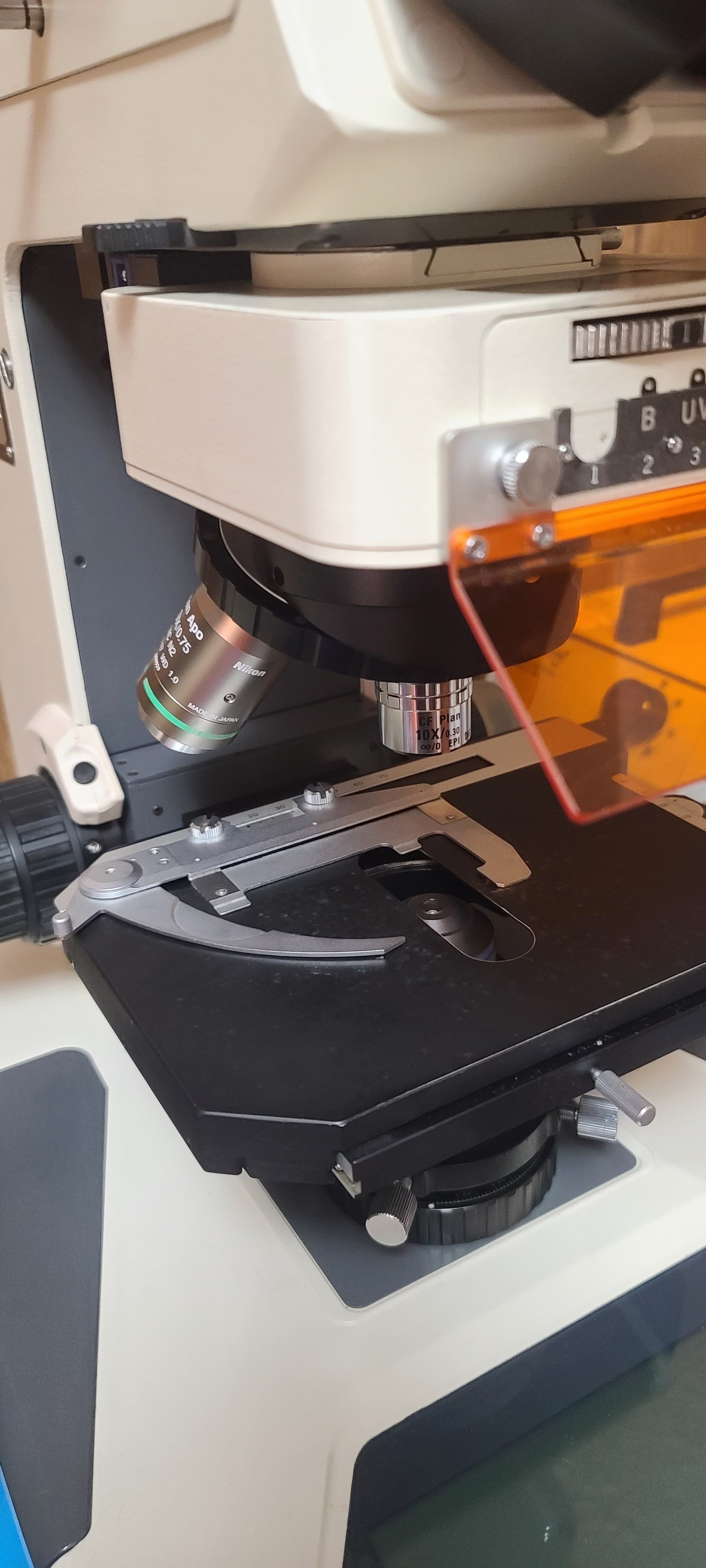
- A stone holder added to the X-Y stage will provide the best way to place a gemstone under the optics. This shouldn’t be too difficult, especially if the specimen slide holder on the stage uses common screw sizes. See images below…
- Magnification through the monocular eyepiece will not be the same as displayed on the monitor. (Cannot find any details in the user guide or tech specs on integrated magnification with the monitor/camera. Therefore, must assume the display will only represent the magnification from the selected objective lens; 4X,10X, 40X, or 100X. The higher magnification levels as advertised, are a product of the eyepiece multiplied by the objective. I.e., the 25X eyepiece x 100X obj = 2500X)
- The 100X objective might not be usable after the stone holder is installed. It has a long barrel length and short focal depth that might be difficult to focus with limited stage elevation range. It also might become an obstacle when using the 10X or 40X objectives with the stone holder in place. (have experienced this several times…
 )
)
- Also, the 100X objective is optically configured for oil immersion. This isn’t discussed in great detail in the users guide. Using it “dry” may not provide the best optical performance. I would caution against using a random immersion oil on the gemstones.
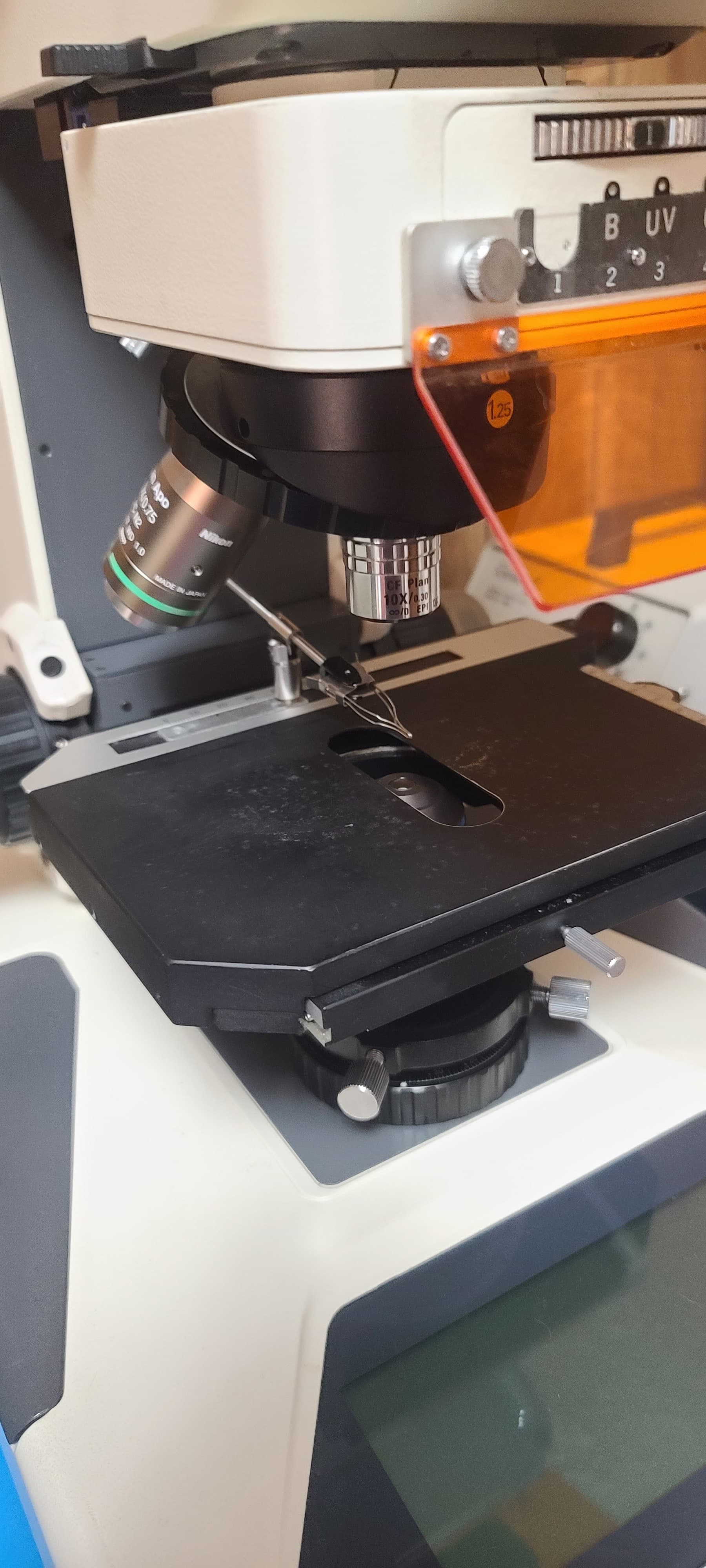
Here is the mod on one of my scopes. I can switch back and forth using the built-in slide mounting holes.
There are many ways to make this mod, but using existing mounting holes on the stage is the quickest.
There might be an optional component available that can give the microscope the ability to do dark-field and diffused light capabilities. The same company has another version with dark-field available. So there could be an option for your instrument.
-Cheers!